
 Cairo Day Tours
 Luxor Day Tours
 Alexandria Day Tours
 Luxury Travel Packages
 Classic Travel Packages
 Exclusive Access
 Leisure Holidays
 Adventure Travel
 Day Tours
 About us
 Blogs
Blogs
 Testimonial
 Why Travel With Us
.svg) Contact us
Contact us
Aswan City
- Home...
- Aswan Attractions
- Aswan City
Modern Aswan is known as the winter resort city of Egypt - quiet, warm, and beautifully scenic. The Nile here is calm and dotted with islands, palm groves, and traditional feluccas sailing between granite rocks. Aswan represents a unique blend of ancient Egyptian heritage, Nubian culture, and the natural beauty of the city and surroundings. It remains one of the most relaxing and culturally rich cities in Egypt.
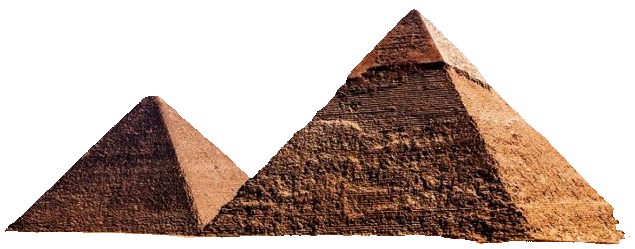
In ancient Egypt, Aswan was a primary source of the red granite used for the Pyramids in Giza. Blocks were carved out of the quarries by hand then floated hundreds of miles downstream. Evidence of these ancient engineering projects can be seen at the Unfinished Obelisk of Hatshepsut, where ancient markings and toolmarks show how craftsmen of previous ages were able to create such masterpieces.
Many heritage crafts are still practiced in Aswan, including goldsmithing and jewelry making; glassblowing; perfumery; weaving and embroidery; and other trades. This makes Aswan an excellent choice for shopping, and you will see Egyptians and tourists browsing local markets side by side.
Known in ancient times as “Swenett” or “Swenet” - meaning the Market - Aswan was the southern frontier of ancient Egypt and the gateway to Africa. The Greeks later called it Syene, and over time it became one of the most important strategic, commercial, and cultural cities in Egyptian history.
Aswan was the city of the First Cataract, marking the natural southern border of Egypt. It was famous for its high-quality granite quarries, which provided the stone for many of Egypt’s greatest monuments, including obelisks, statues, and temple columns.
The ancient Egyptians also considered Aswan the home of the Nile god Khnum, the guardian of the river’s source. Temples and shrines in the area reflected this religious importance, especially on Elephantine Island, one of Aswan’s oldest inhabited places.
Aswan is deeply connected to the culture of Nubia, the ancient civilization that thrived south of Egypt. Many Nubians lived in the Aswan region, contributing to its architecture, traditions, colors, and language. The Nubian identity remains strong today.
In modern times, Aswan became known for one of the most significant engineering projects of the 20th century: the Aswan High Dam (completed in 1970). The dam created Lake Nasser, one of the largest artificial lakes in the world, and played a crucial role in controlling Nile floods, generating electricity, and boosting agriculture.
The construction of the dam also led to one of the most dramatic archaeological rescue missions ever undertaken - relocating temples such as Abu Simbel and Philae to save them from being submerged.
Philae Temple
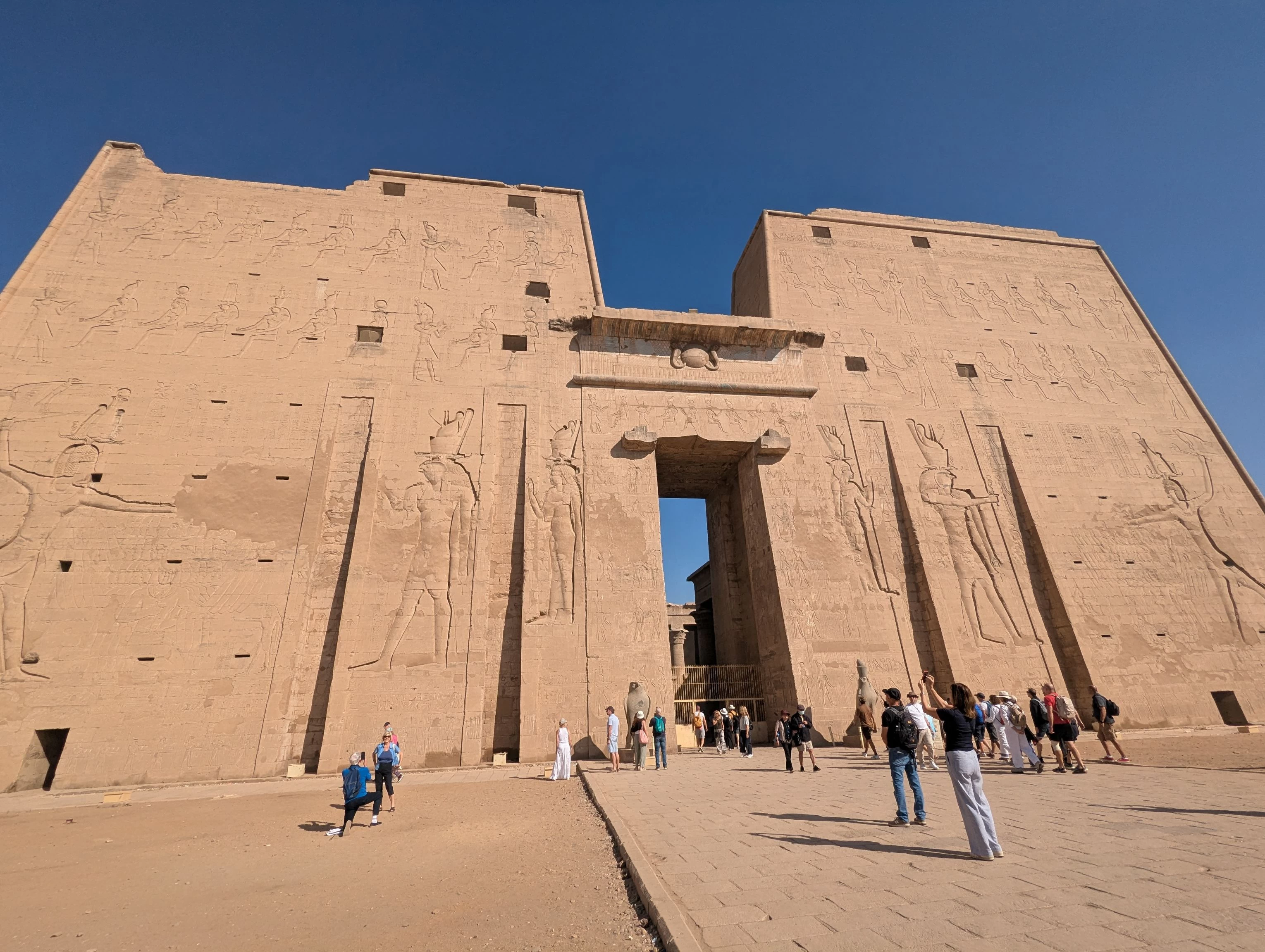
Dedicated to the goddess Isis, this temple is one of the most beautiful in Egypt. It was originally located on Philae Island, but was moved stone by stone to Agilkia Island during the UNESCO rescue project.
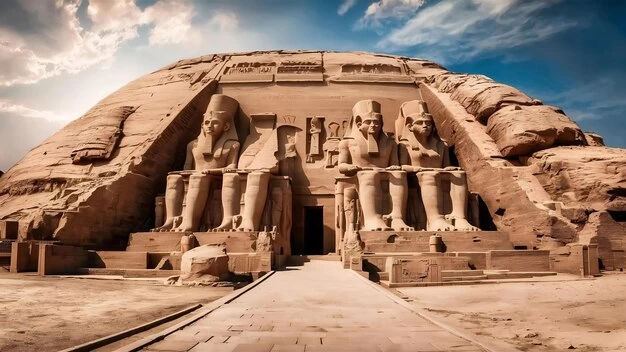
Abu Simbel Temples
Located south of Aswan, these majestic temples built by Ramses II are world-famous. Their relocation during the building of the High Dam is considered one of the greatest archaeological achievements of modern times.
Elephantine Island
The oldest inhabited area of Aswan, home to ancient temples, the ruins of Yebu, and the modern Nubian villages with their colorful houses and vibrant culture.
The Unfinished Obelisk
Found in the ancient granite quarries, this massive obelisk—if completed—would have been the largest ever carved, giving insight into ancient stone-cutting techniques.
Aswan High Dam
A masterpiece of modern engineering, offering panoramic views of Lake Nasser and historical importance due to its impact on Egypt’s economy and development.
Nubian Village
Visiting the Nubian villages on the west bank is one of the most unique cultural experiences in Egypt. Guests can explore colorful homes, traditional art, music, spices, and the warm hospitality of the Nubian people.
Botanical Garden (Kitchener’s Island)
A peaceful island filled with rare plants and trees collected from around the world. A perfect place to enjoy Aswan’s natural beauty.
The Tombs of the Nobles
These ancient tombs carved into the cliffs offer incredible wall paintings and views of the Nile.
Kalabsha Temple
Another relocated temple, originally built in the Roman period, now standing proudly near Lake Nasser.
Discover more tips, guides and insights to plan your perfect trip.
Find quick answers to the most common questions about your trip. Our FAQ section covers everything from travel requirements and safety tips to local customs and currency information. Interested to know more? Contact Us!
Licensed tour guides must maintain a certification from the Egyptian Ministry of Tourism and Antiquities, along with membership in the Egyptian General Tourist Guide Syndicate. These certifications ensure that our guides are fully approved and registered as professionals with the Egyptian government authorities.
The busiest tourist season is from September to April. The weather in Egypt is generally sunny and dry, with lower temperatures in the winter months that make for pleasant travel through Upper Egypt.
Tipping is greatly appreciated, based on the quality of the service you receive. We suggest around $5-$8 per day for your driver, and $10-$15 per day for guides. Tipping can be done in cash, either as Egyptian pounds, US dollars or Euros. For non-Egyptian currency, bills in good condition (no rips or tears) are preferred.
You can get a 30-day tourist visa upon arriving at Cairo Airport. Please bring $25 in USD cash with you; you will get the visa documentation before the immigration desk at the airport, and the immigration officials will review and stamp your passport. Our staff will meet you after you disembark the plane to facilitate this process and ensure you are able to get through security smoothly.
Most tours can be walking-intensive, primarily on flat ground. Visiting the Pyramids and the Sphinx requires some walking over flat but uneven ground and sand. Entry into many of the tombs and Pyramids can be physically demanding, with low ceilings, steep staircases and narrow passageways.
Each day’s tour is a full day, estimating 8 to 10 hours - though we have built in plenty of time to rest, enjoy a coffee or a meal, or explore on your own.
Comfortable, closed-toe walking or athletic shoes are recommended as there may be areas with uneven pavement. Locals in Egypt often dress modestly, so visitors often feel more comfortable in clothes that cover their shoulders and knees (t-shirts or long sleeved shirts, capris, pants). You may wish to bring a hat for sun protection, as well as a scarf or light jacket for evening.






.svg)