
 Cairo Day Tours
 Luxor Day Tours
 Alexandria Day Tours
 Luxury Travel Packages
 Classic Travel Packages
 Exclusive Access
 Leisure Holidays
 Adventure Travel
 Day Tours
 About us
 Blogs
Blogs
 Testimonial
 Why Travel With Us
.svg) Contact us
Contact us
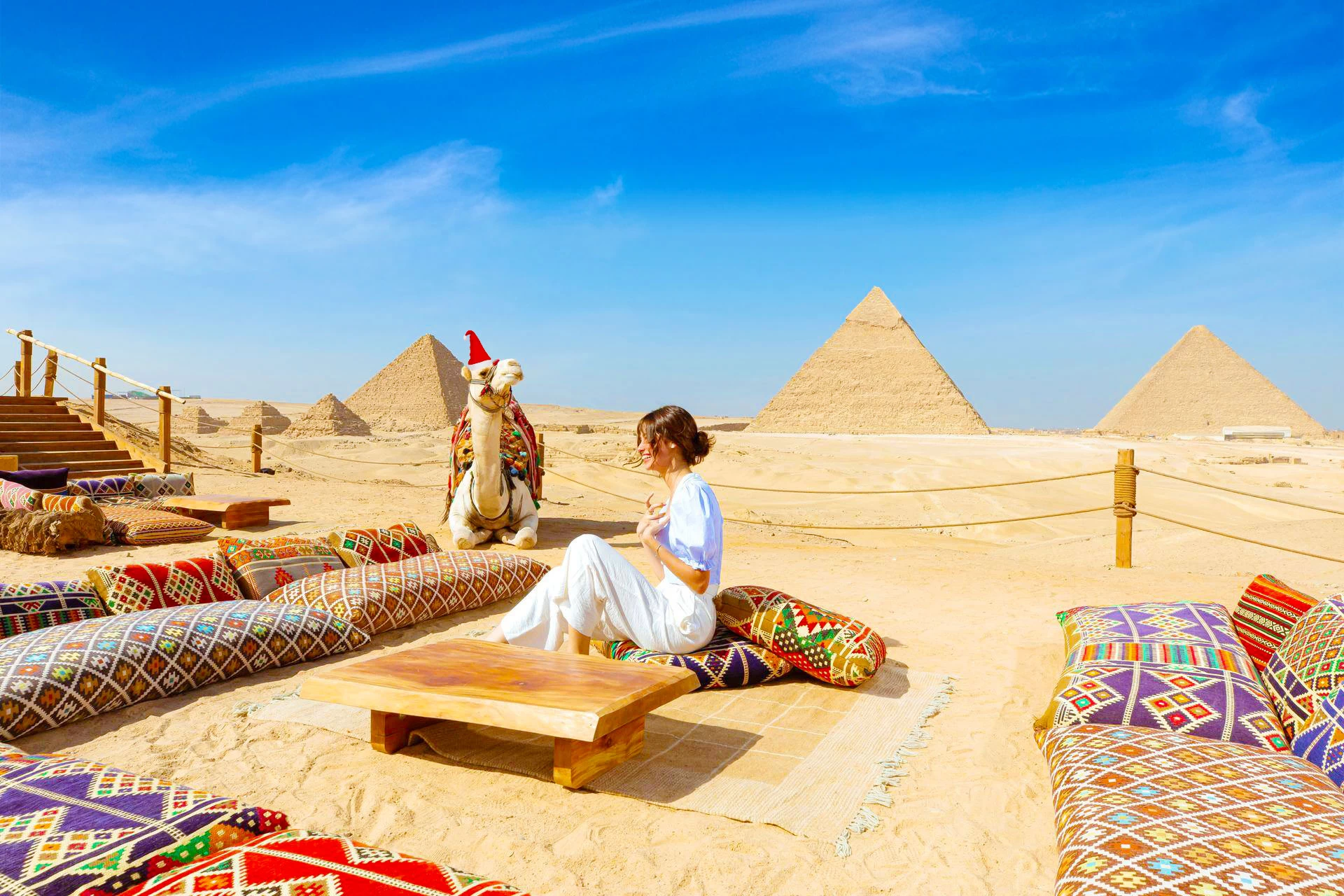
Cairo is a city that never fails to amaze — a blend of ancient heritage and modern energy. Visit the iconic Pyramids of Giza, explore the treasures of the Egyptian Museum, and wander through the colorful streets of Khan El Khalili bazaar. Whether it’s the charm of Old Cairo or the elegance of the Nile Corniche, every stop reveals the soul of Egypt’s vibrant capital.
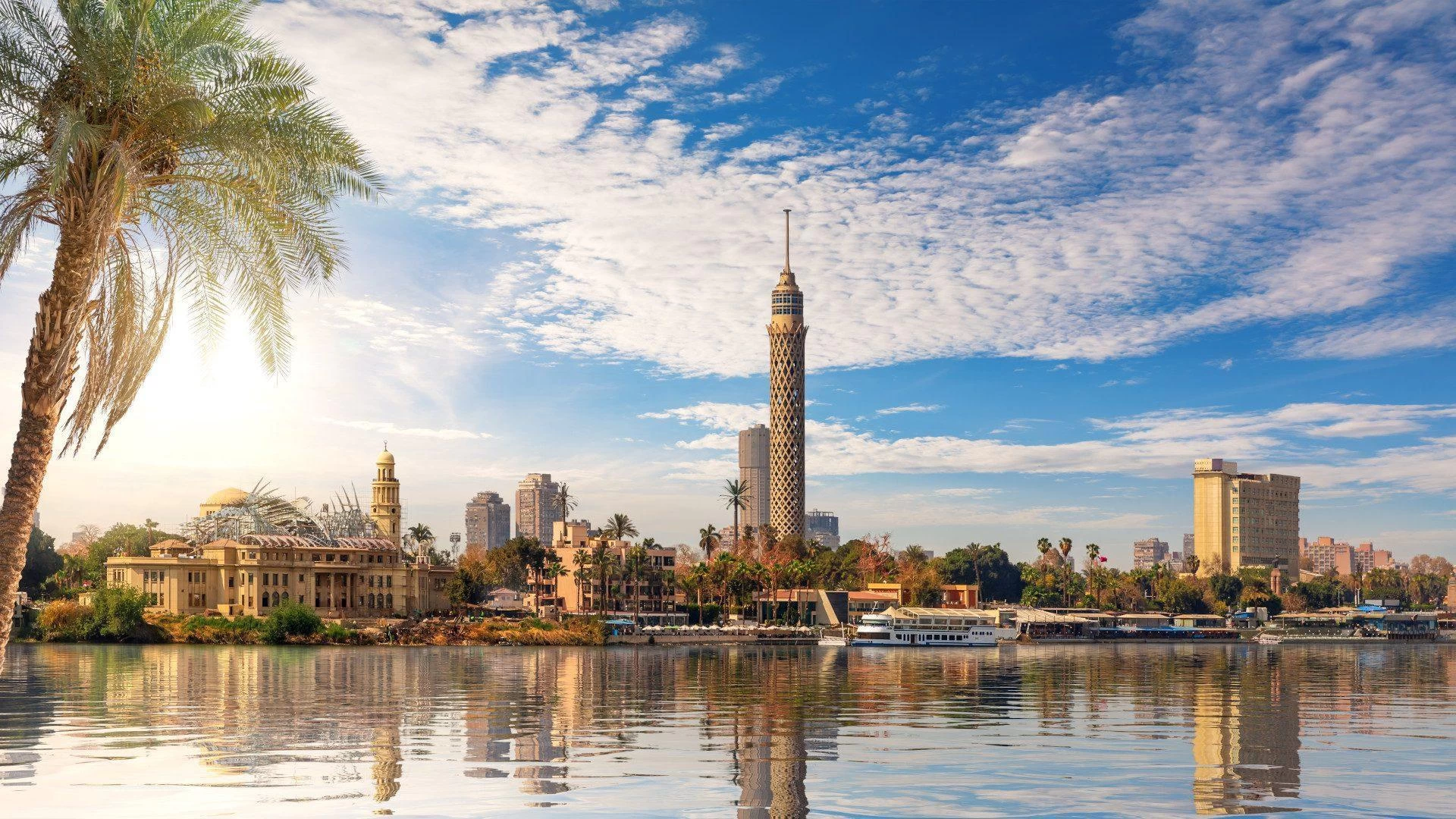
1-Cairo Tower
Cairo Tower is a free-standing concrete tower in Cairo, Egypt At 187 m, Cairo Tower has been the tallest structure in Egypt and North Africa for about 50 years. It was the tallest structure in Africa for ten years until 1971, when it was surpassed by Hillbrow Tower in South Africa, Cairo Tower was built in the reign of former Egyptian president Gamal Abdel Nasser. It cost 6 million pounds at the time it was built in the late 60s.
The tower consists of 16th floors which were built on a huge Aswan granite base where the Pharos used to build fascinating temples and structures, this tower is located at a place in Cairo which is called El Gizera, it also was constructed by Naoum Shebib at 1961.
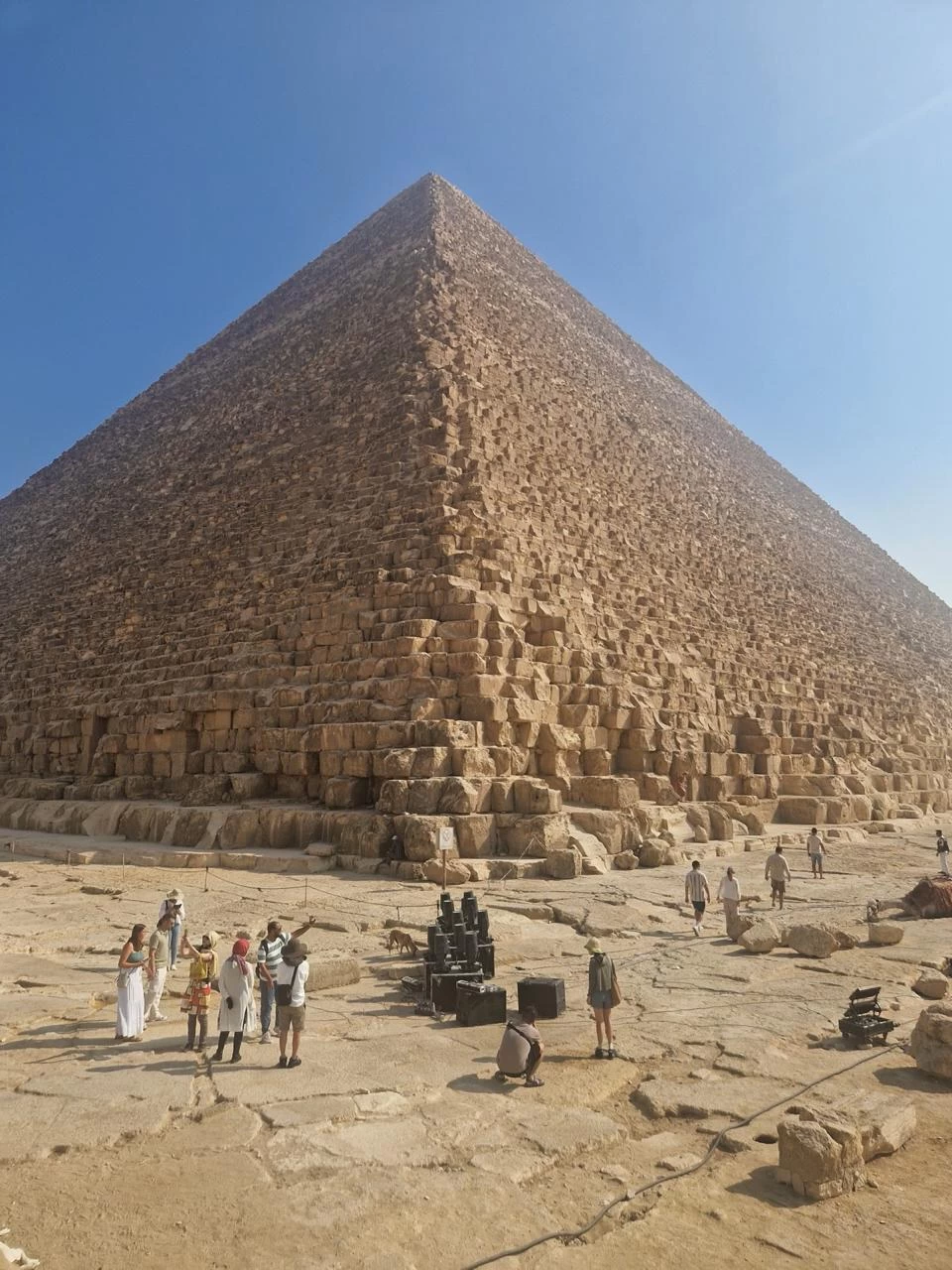
Cairo Tower was built out of concrete iron and it has the shape of the famous Lotus plant where ancient Egyptians used to produce papyrus. The length of the tower is 187 meters which 43 meters higher than the great pyramid of Cheops. It is located in the middle of Cairo at the edge of Zamalek Island, you will be amazed by trying the tower’s telescope to watch the marvelous sights of the Nile River, the amazing Giza Pyramids, the clear blue sky and the wide streets.
2- Memphis Egypt
The name of Memphis is derived from the Ancient Egyptian name called Min-Nefer, then Greeks called it latter Memphis. Nowadays it is a local village called Mit Rahina. Memphis Egypt was founded in the 1st Dynasty (3100 B.C) by King Narmar, Memphis was the capital of Ancient Egypt, and the first capital city founded after the unification of Upper and Lower Egypt. It remained as the capital of Ancient Egypt throughout the Old Kingdom.
Memphis was a centre for the worship of Ptah, god of creation and artworks, The creator god Ptah, his consort Sekhmet, and their son Nefertem, were the main focus of worship in the city which formed Memphis triad. The city of Memphis was the capital of ancient Egypt. It was the King's residence and the political administrative center until around 2,200 BC.after unification for upper and lower Egypt.
3-Aswan High Dam

Aswan Dam located near Aswan, the world famous Aswan High Dam was an engineering miracle when it was built in the 1960. It contains 18 times the material used in the Great Pyramid of Cheops. The Dam is 11,811 feet long, 3215 feet thick at the base and 364 feet tall, Today it provides irrigation and electricity for the whole of Egypt and together with the old Aswan Dam built by the British between 1898 and 1902, 6km down river, gorgeous views for visitors, From the top of the two Mile long High Dam you can look across Lake Nassar, the huge reservoir created when it was built to Kalabsha temple in the south and the huge power station to the north.
The Aswan High Dam was wonderful project, In fact it was one of the most important achievements of the last century in Egypt, for many years symbolizing the New Era after 1952. The Egypt High Dam yields enormous benefits to the economy of Egypt, The first time in history, the annual Nile flood can be controlled by man, The dam detain the floodwaters, releasing them when needed to maximize their utility on irrigated land, to water hundreds of thousands of new acres, to develop navigation in Aswan, and to generate enormous amounts of electric power, The dam powers twelve generators each rated at 175 megawatts, producing a hydroelectric output of 2.1 gigawatts. Power generation began in 1967.
4- The Ramesseum - Luxor
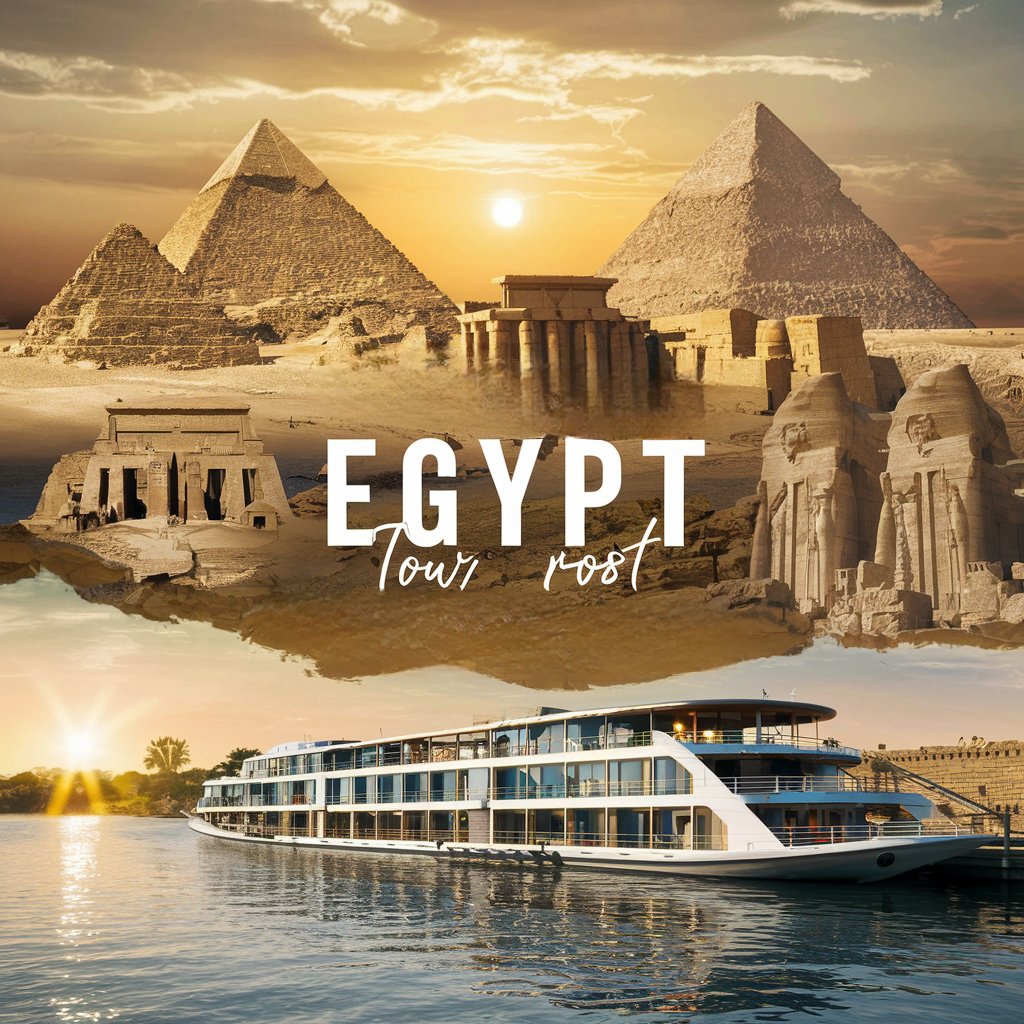
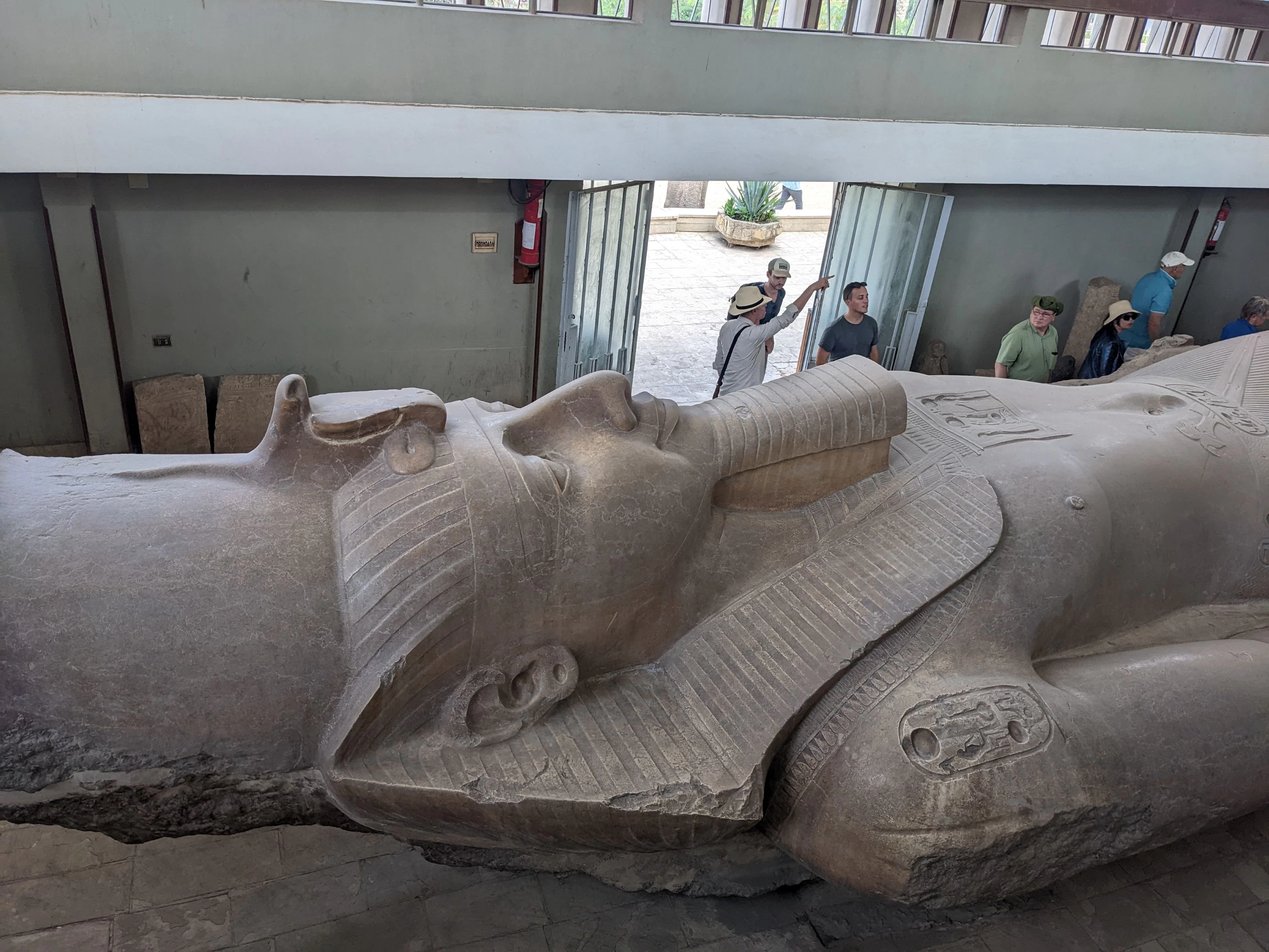
Today relatively little remains of what is thought to have once been the most impressive temple complex on the West Bank of the Nile. Several clusters of pillars and a few damaged statues stand among a large field of ridges, holes, broken foundations, and pieces of statuary that mark out where the rest of the complex once stood. The reputation of this site is now tied more to the reputation of the man that commissioned it, rather than the appearance of its ruins.
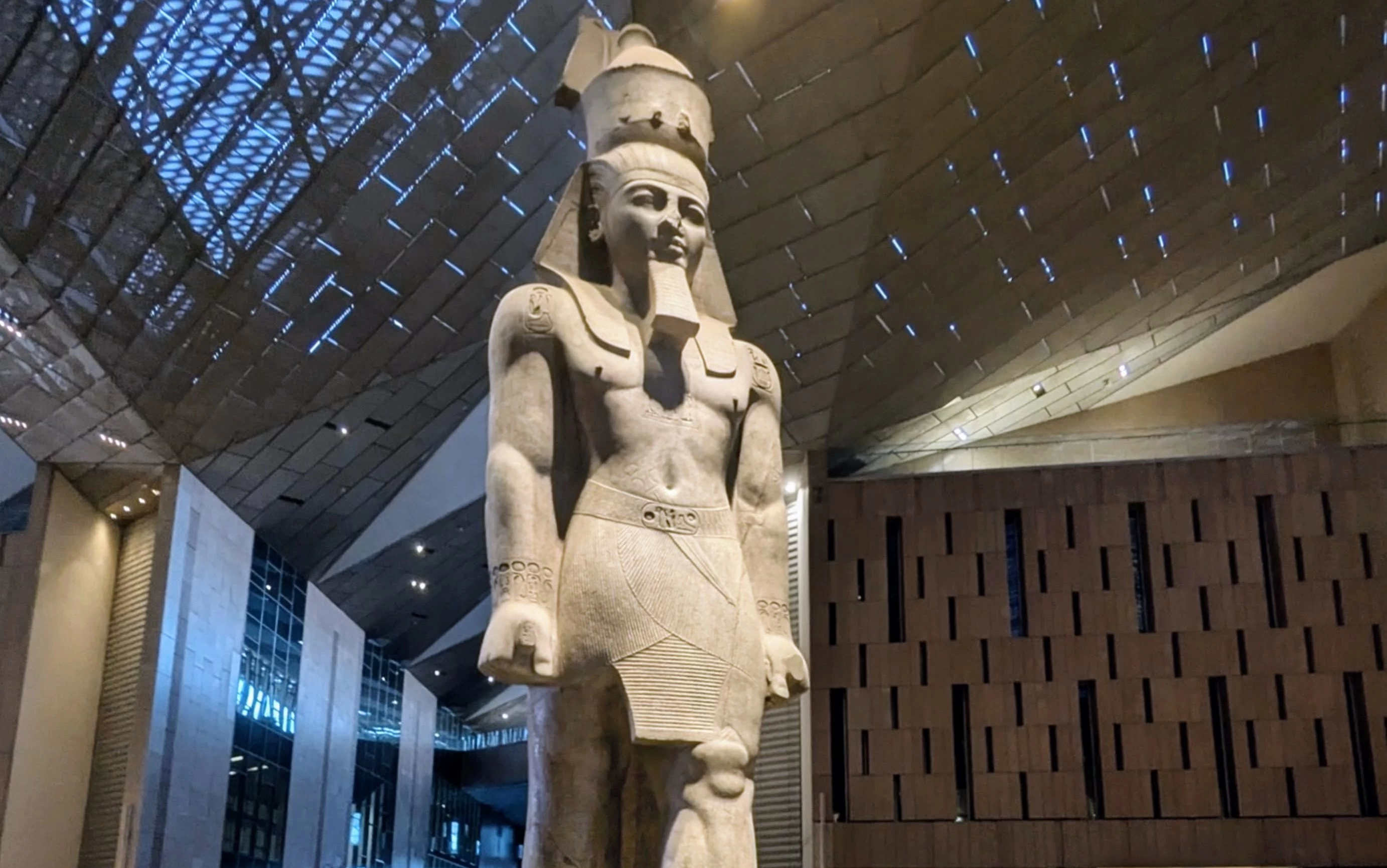
Ramesses II is the name most often heard in association with many of the monuments around Luxor and further south. He was a prolific builder and also had a habit of repurposing existing monuments to add to his reputation. He was the greatest conqueror in the history of Ancient Egypt, ruling for 67 years during the New Kingdom (1279—1213 BC) and extending the range of his kingdom into new frontiers in the south, west, and north in Syria.
Article Summary:
Best Places to Visit in Cairo
Related articles
Discover more tips, guides and insights to plan your perfect trip.
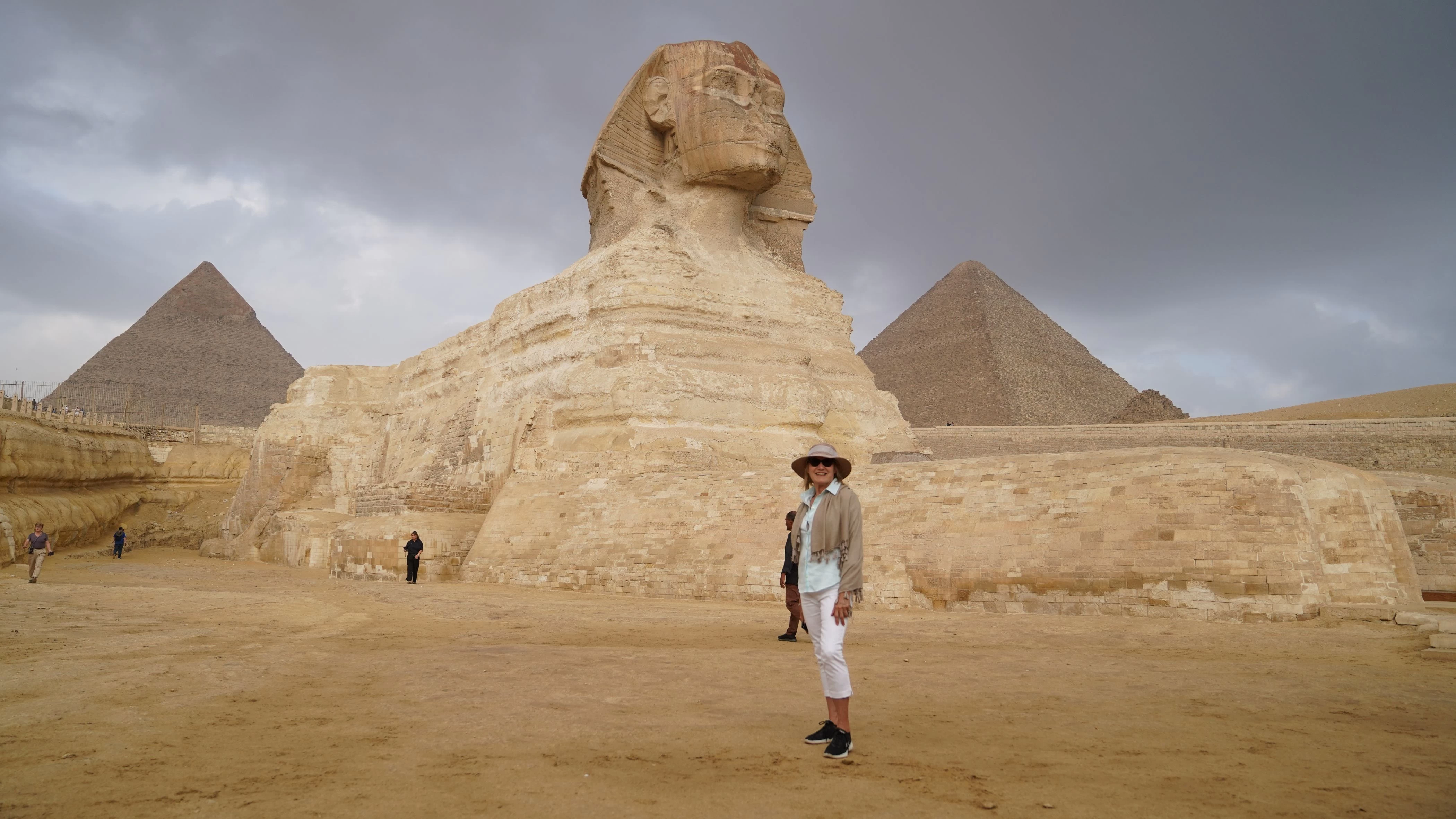
The Great Sphinx of Giza
The Great Sphinx of Giza has stood watch over the Great Pyramids for thousands of years.
Read more
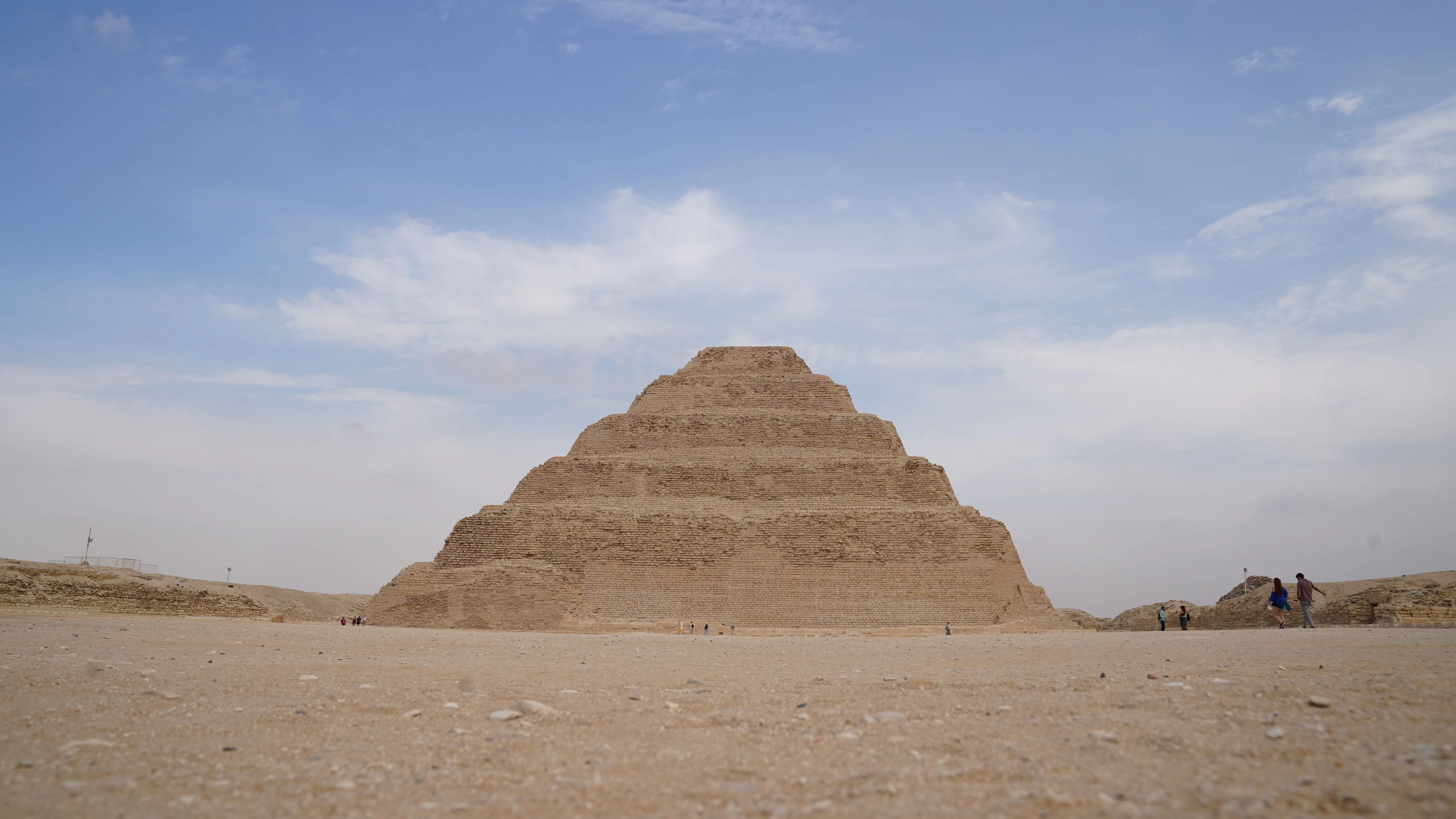
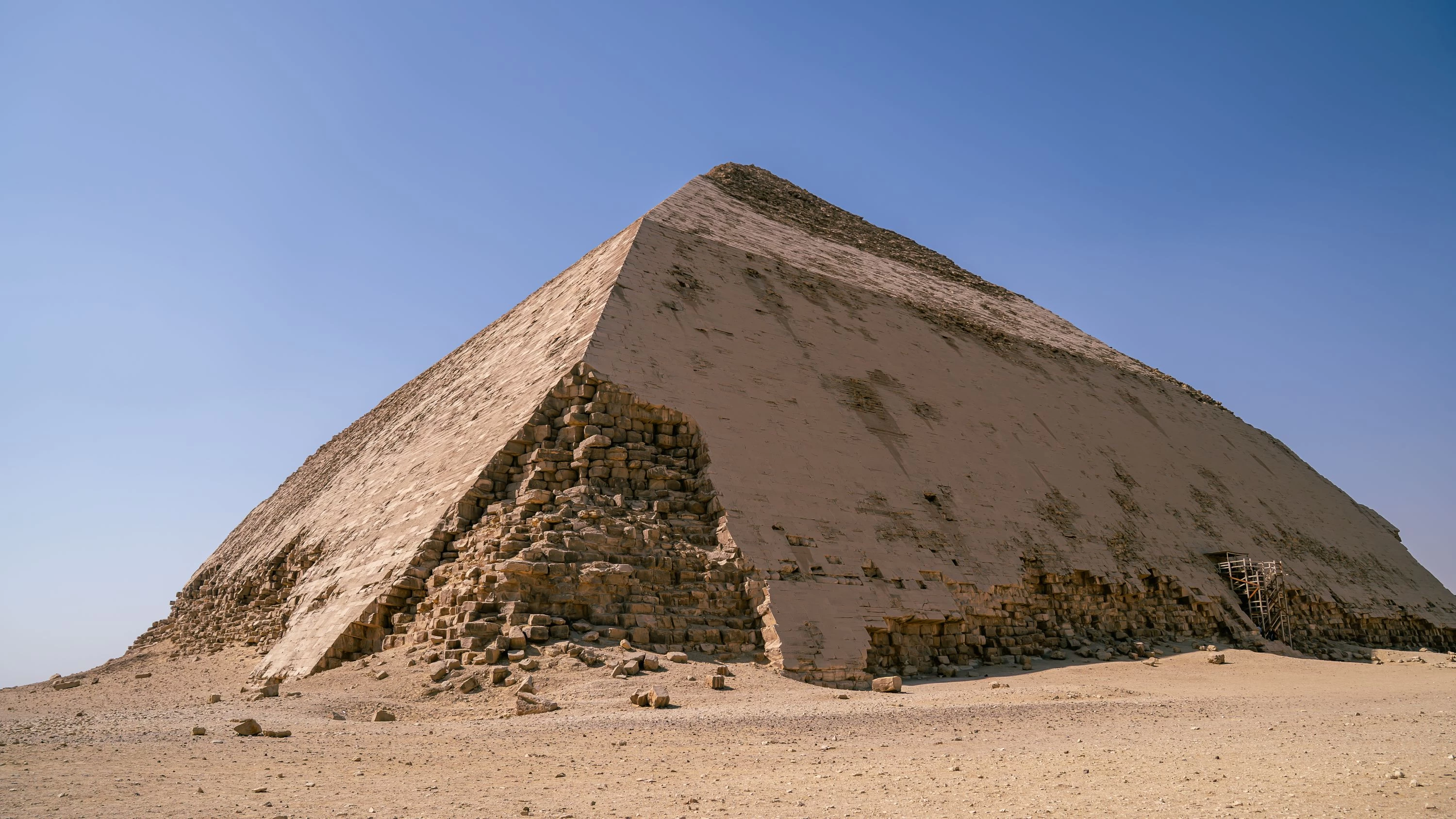
Dahshur – The Experimental Pyramid Field
Dahshur is located south of the Giza Plateau and forms part of the ancient necropolis of Memphis.
Read more
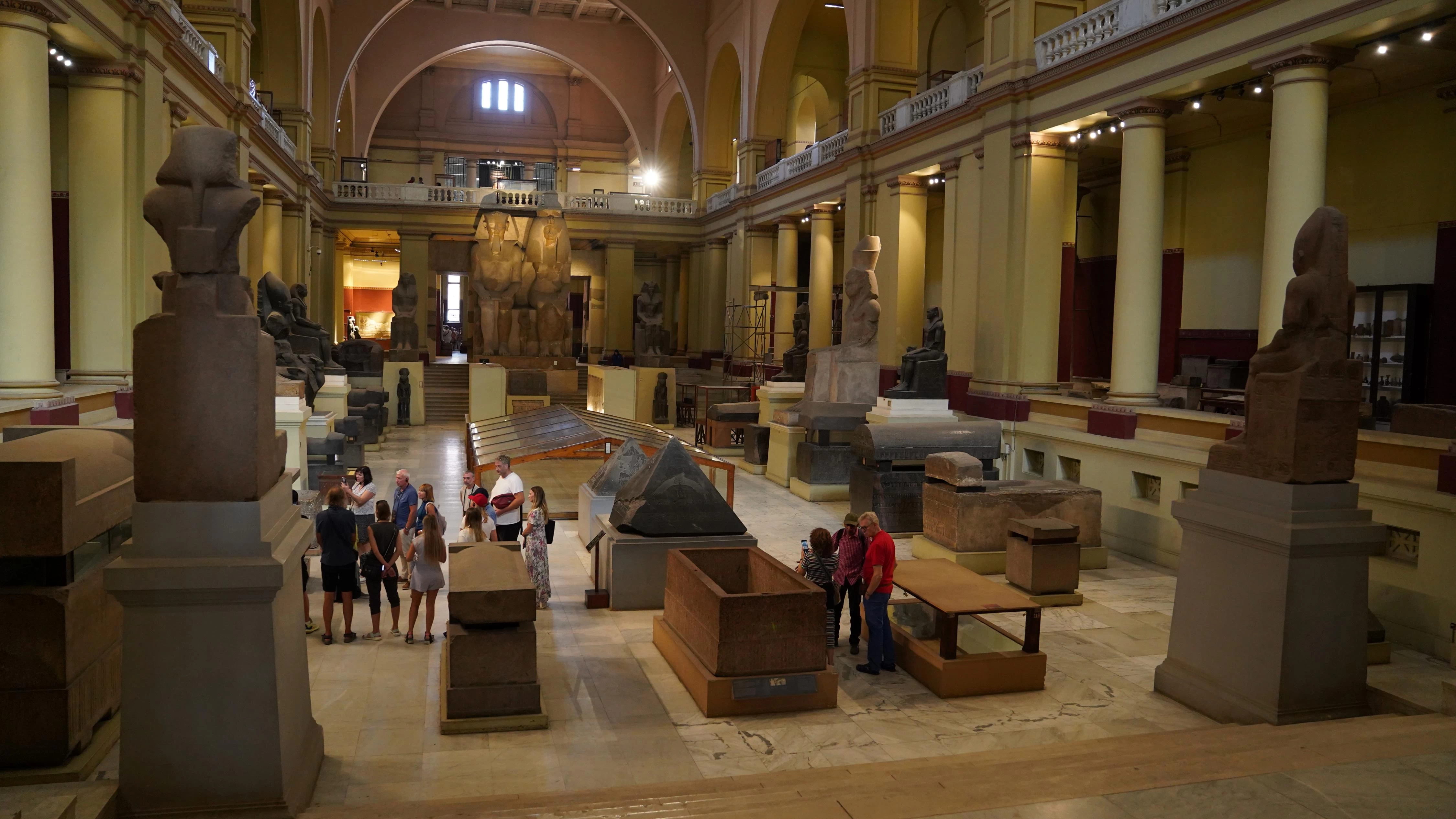
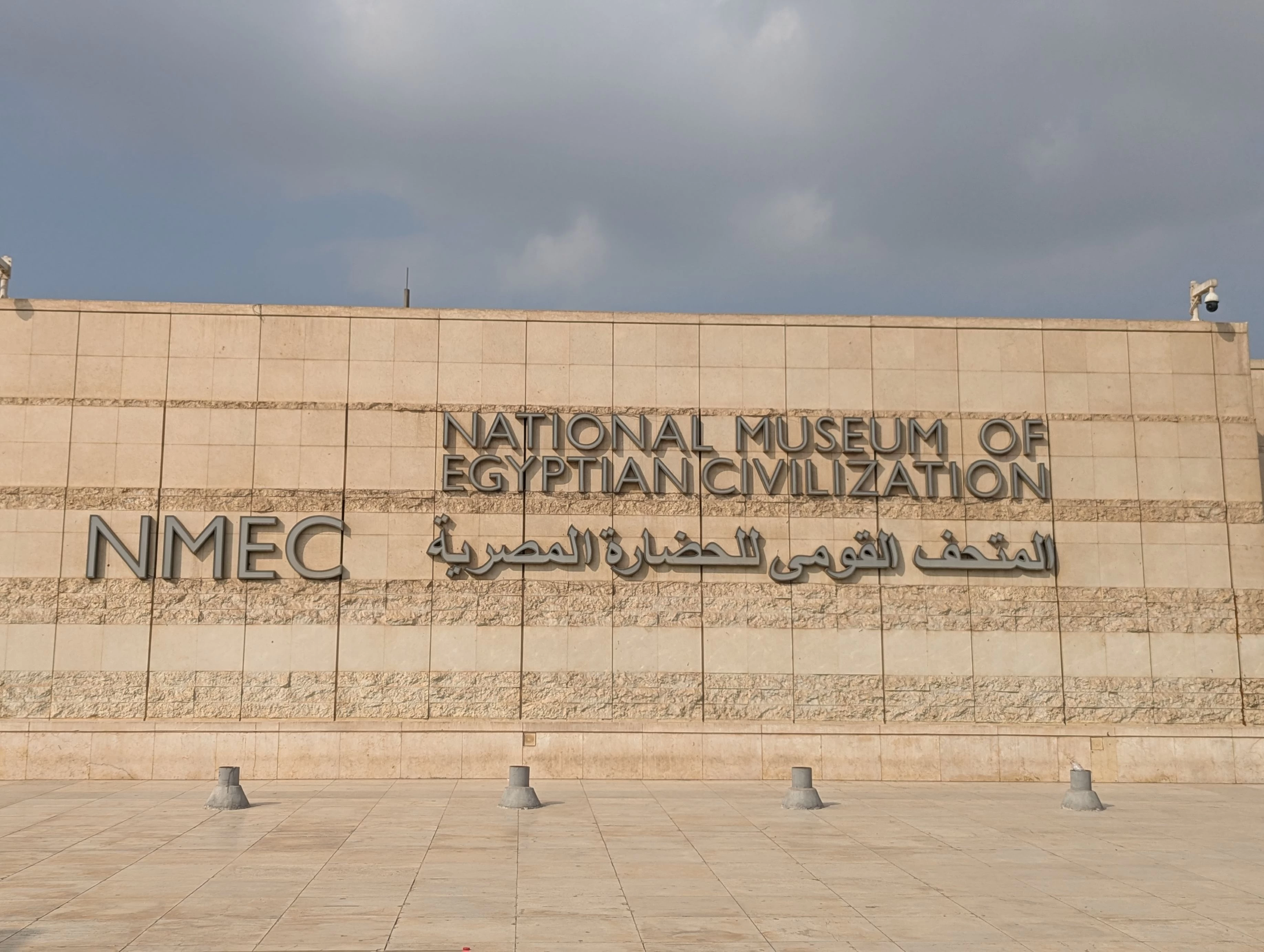
Egyptian Museum (Tahrir)
The first major archaeological museum in Egypt and the Middle East
Read more
Tours
Related Tours
Browse more tours to explore Egypt top sights and hidden gems.


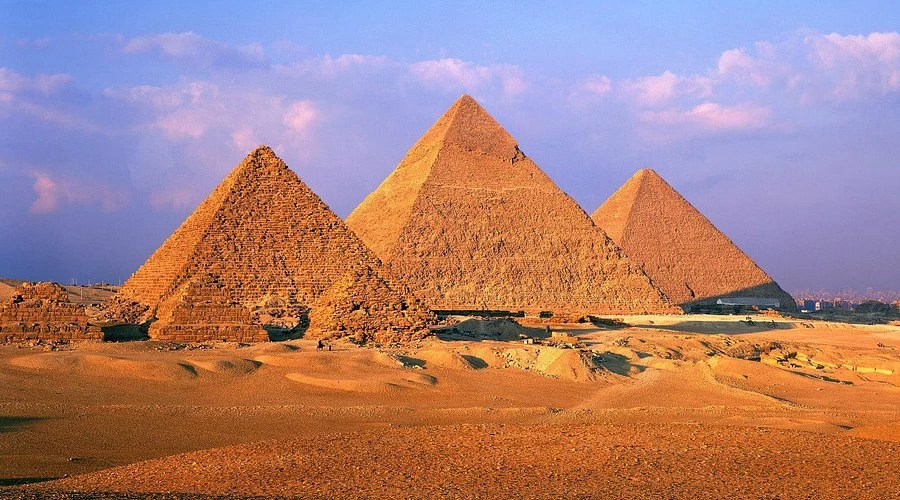
1-Day Cairo Day Trip
Pyramids, Sphinx & Grand Egyptian Museum | Private Fully Guided Tour
FAQ
Check our Frequently Asked Questions
Find quick answers to the most common questions about your trip. Our FAQ section covers everything from travel requirements and safety tips to local customs and currency information. Interested to know more? Contact Us!
What's an Egyptologist Guide?
Licensed tour guides must maintain a certification from the Egyptian Ministry of Tourism and Antiquities, along with membership in the Egyptian General Tourist Guide Syndicate. These certifications ensure that our guides are fully approved and registered as professionals with the Egyptian government authorities.
When is the best time to visit Egypt?
The busiest tourist season is from September to April. The weather in Egypt is generally sunny and dry, with lower temperatures in the winter months that make for pleasant travel through Upper Egypt.
How much is expected in gratuities?
Tipping is greatly appreciated, based on the quality of the service you receive. We suggest around $5-$8 per day for your driver, and $10-$15 per day for guides. Tipping can be done in cash, either as Egyptian pounds, US dollars or Euros. For non-Egyptian currency, bills in good condition (no rips or tears) are preferred.
How do I get an Egypt entry visa?
You can get a 30-day tourist visa upon arriving at Cairo Airport. Please bring $25 in USD cash with you; you will get the visa documentation before the immigration desk at the airport, and the immigration officials will review and stamp your passport. Our staff will meet you after you disembark the plane to facilitate this process and ensure you are able to get through security smoothly.
How much walking will be involved in our tour?
Most tours can be walking-intensive, primarily on flat ground. Visiting the Pyramids and the Sphinx requires some walking over flat but uneven ground and sand. Entry into many of the tombs and Pyramids can be physically demanding, with low ceilings, steep staircases and narrow passageways.
How long will each day be?
Each day’s tour is a full day, estimating 8 to 10 hours - though we have built in plenty of time to rest, enjoy a coffee or a meal, or explore on your own.
What should I wear?
Comfortable, closed-toe walking or athletic shoes are recommended as there may be areas with uneven pavement. Locals in Egypt often dress modestly, so visitors often feel more comfortable in clothes that cover their shoulders and knees (t-shirts or long sleeved shirts, capris, pants). You may wish to bring a hat for sun protection, as well as a scarf or light jacket for evening.


.svg)