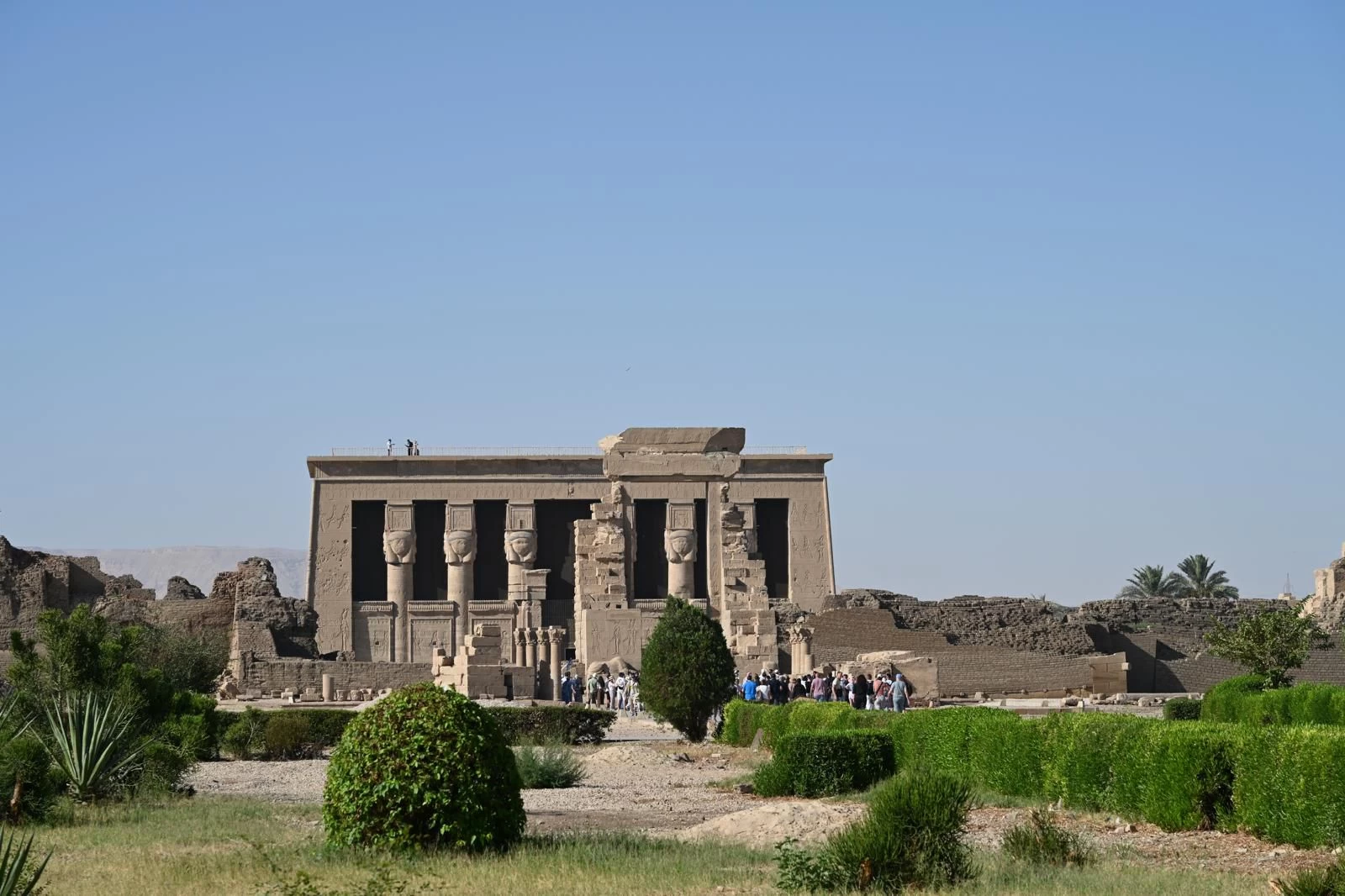
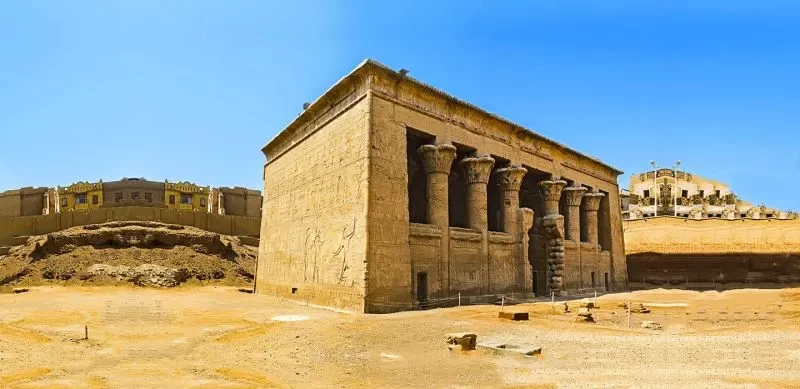
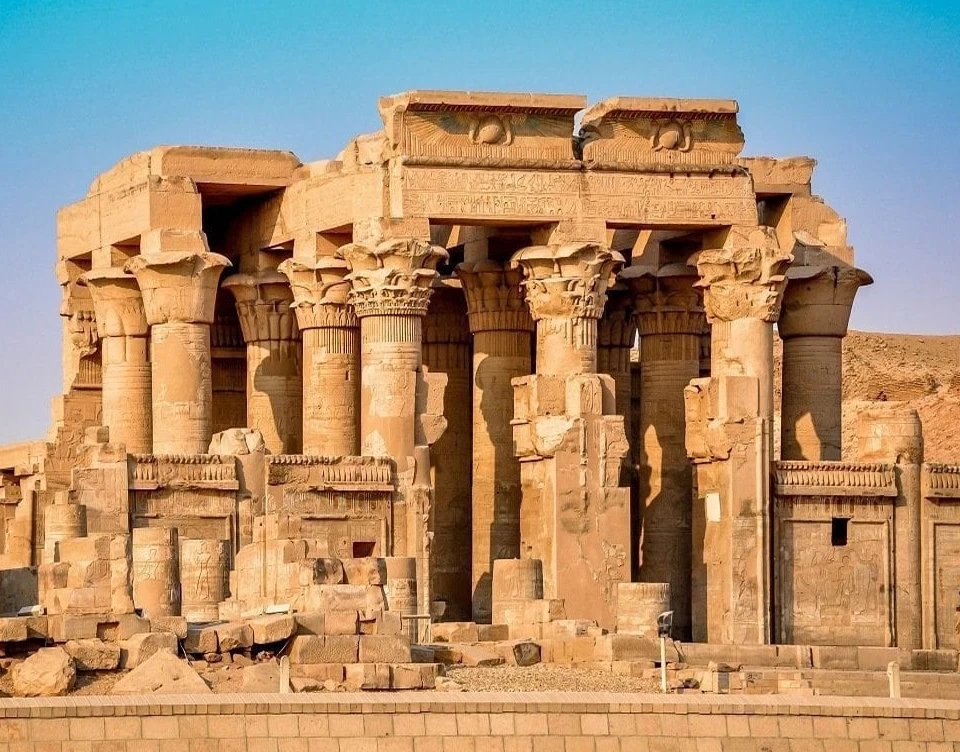
Known in ancient times as Waset, and later Thebes, Luxor is one of the most iconic archeological sites on Earth. Its importance rose to prominence during Egypt's New Kingdom, and it served as the most important capital city for nearly a thousand years.

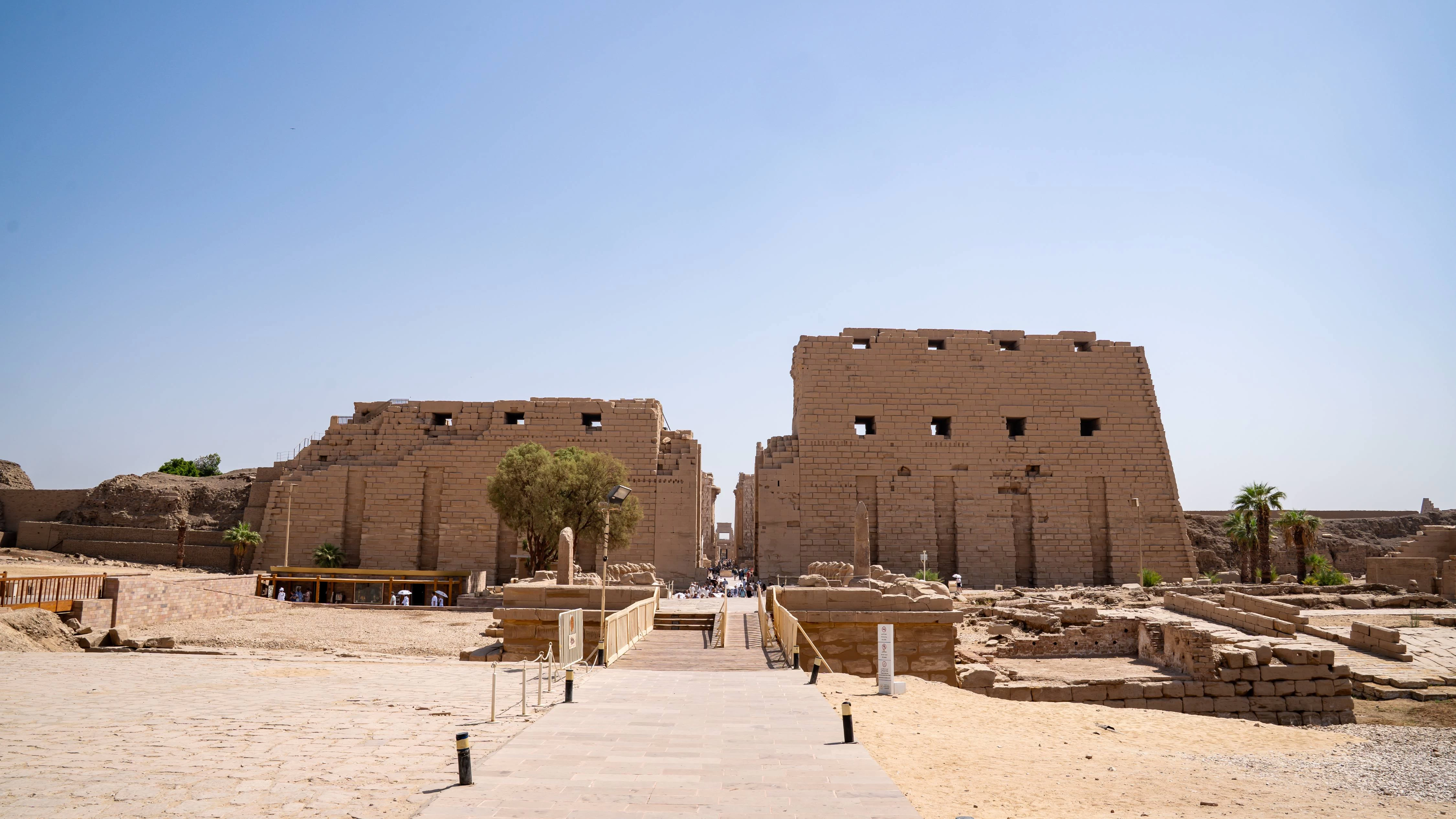
On the East Bank, Luxor hosts some of the greatest archaeological treasures ever discovered. At the heart of these stands Karnak Temple, the largest religious complex in the world, spanning over 250 acres. Nearby is Luxor Temple, once the royal palace of the Opet Festival and a living symbol of cultural continuity, growing from an ancient Egyptian temple to a Roman sanctuary to a Coptic church and today incorporates a functioning mosque. Few places capture such profound diversity in one site.

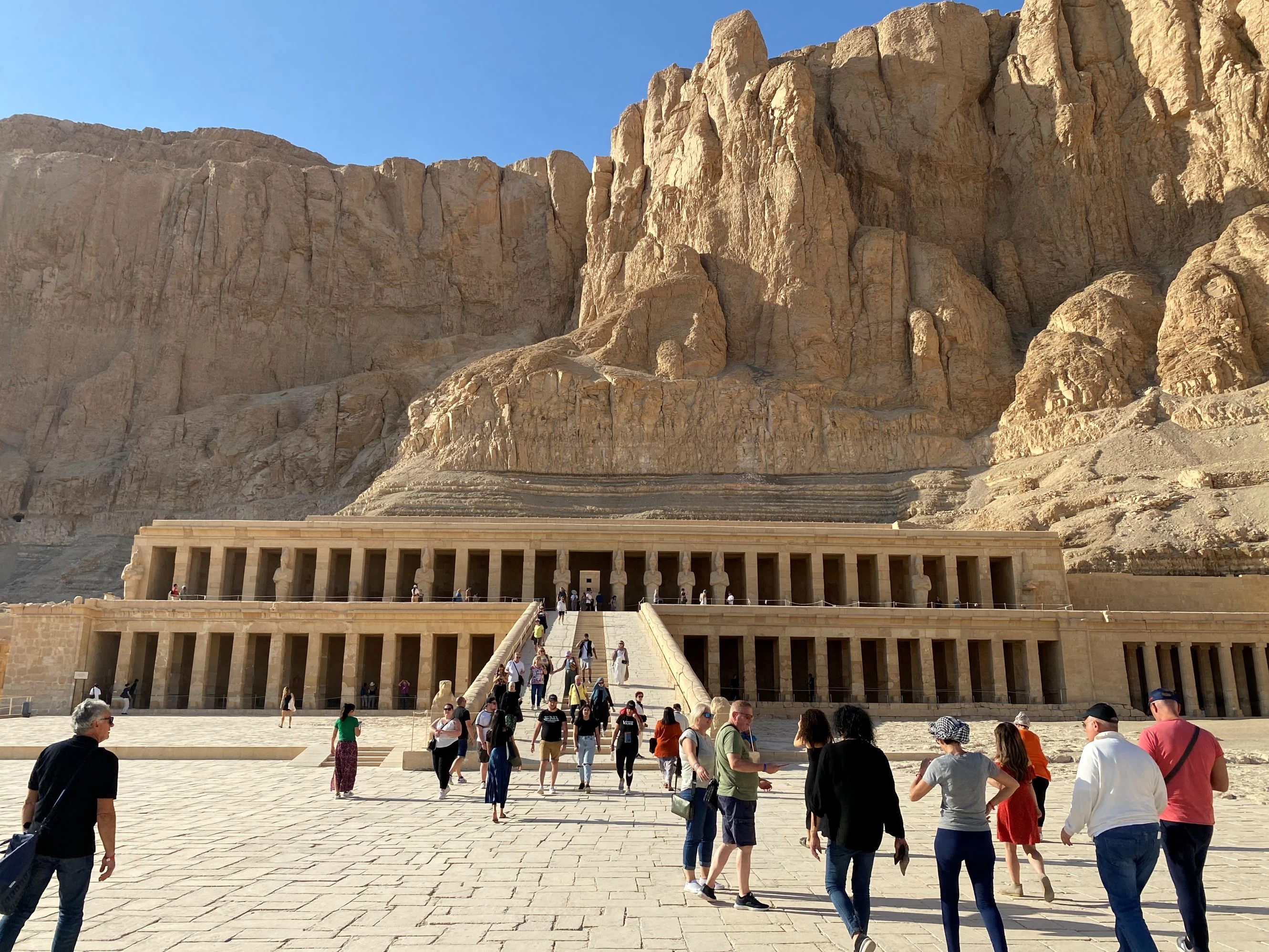
Crossing the Nile to the West Bank, you enter the land of the afterlife, home to over 4,000 tombs. These include the legendary Valley of the Kings, Valley of the Queens, the Tombs of the Nobles, and the Workers’ Village. The West Bank also features magnificent mortuary temples such as the Temple of Hatshepsut, the Temple of Habu, the Ramesseum, and many others.

Luxor alone contains more than 30% of the world’s ancient monuments, making it not just a city, but an open-air museum unmatched in scale and significance.

Luxor

Related articles

Discover more tips, guides and insights to plan your perfect trip.

Things to do in Luxor
  • Apr 15, 2026

Karnak Temple

The largest temple ever built

Read more right_arrow
Things to do in Luxor
  • Apr 15, 2026

Kom Ombo Temple

A unique dual temple of the Greco-Roman era

Read more right_arrow
Things to do in Luxor
  • Apr 15, 2026

Luxor Temple

City sights, ancient delights

Read more right_arrow
Things to do in Luxor
  • Apr 15, 2026

Medinet Habu

Mortuary temple of Ramesses III

Read more right_arrow
FAQ

Check our Frequently Asked Questions

Find quick answers to the most common questions about your trip. Our FAQ section covers everything from travel requirements and safety tips to local customs and currency information. Interested to know more? Contact Us

What's an Egyptologist Guide?

Licensed tour guides must maintain a certification from the Egyptian Ministry of Tourism and Antiquities, along with membership in the Egyptian General Tourist Guide Syndicate. These certifications ensure that our guides are fully approved and registered as professionals with the Egyptian government authorities.

When is the best time to visit Egypt?

The busiest tourist season is from September to April. The weather in Egypt is generally sunny and dry, with lower temperatures in the winter months that make for pleasant travel through Upper Egypt.

How much is expected in gratuities?

Tipping is greatly appreciated, based on the quality of the service you receive. We suggest around $5-$8 per day for your driver, and $10-$15 per day for guides. Tipping can be done in cash, either as Egyptian pounds, US dollars or Euros. For non-Egyptian currency, bills in good condition (no rips or tears) are preferred.

How do I get an Egypt entry visa?

You can get a 30-day tourist visa upon arriving at Cairo Airport. Please bring $25 in USD cash with you; you will get the visa documentation before the immigration desk at the airport, and the immigration officials will review and stamp your passport. Our staff will meet you after you disembark the plane to facilitate this process and ensure you are able to get through security smoothly.

How much walking will be involved in our tour?

Most tours can be walking-intensive, primarily on flat ground. Visiting the Pyramids and the Sphinx requires some walking over flat but uneven ground and sand. Entry into many of the tombs and Pyramids can be physically demanding, with low ceilings, steep staircases and narrow passageways.

How long will each day be?

Each day’s tour is a full day, estimating 8 to 10 hours - though we have built in plenty of time to rest, enjoy a coffee or a meal, or explore on your own. 


What should I wear?

Comfortable, closed-toe walking or athletic shoes are recommended as there may be areas with uneven pavement. Locals in Egypt often dress modestly, so visitors often feel more comfortable in clothes that cover their shoulders and knees (t-shirts or long sleeved shirts, capris, pants). You may wish to bring a hat for sun protection, as well as a scarf or light jacket for evening.


whatsapp-icon phone_call