Karnak Temple

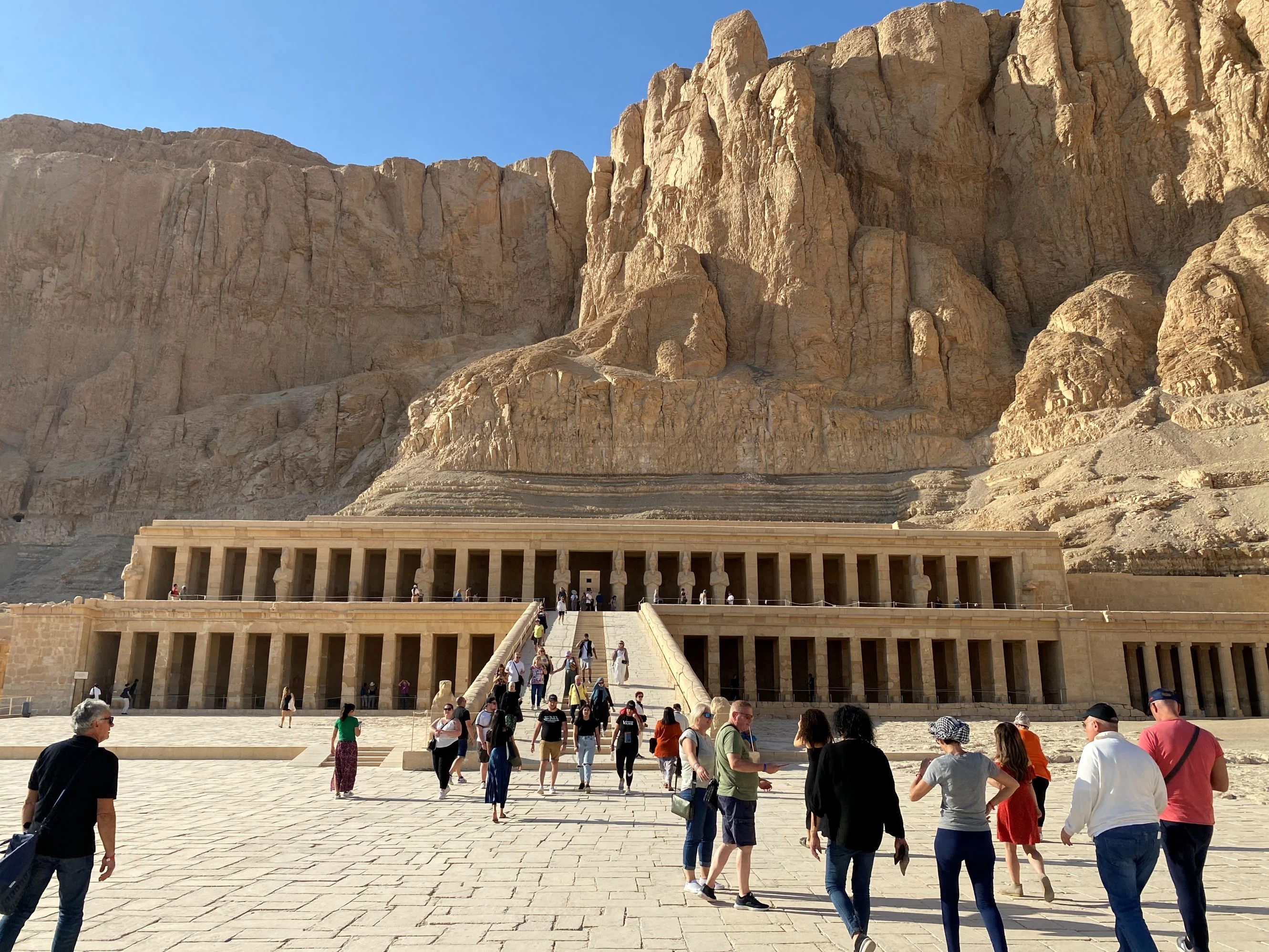
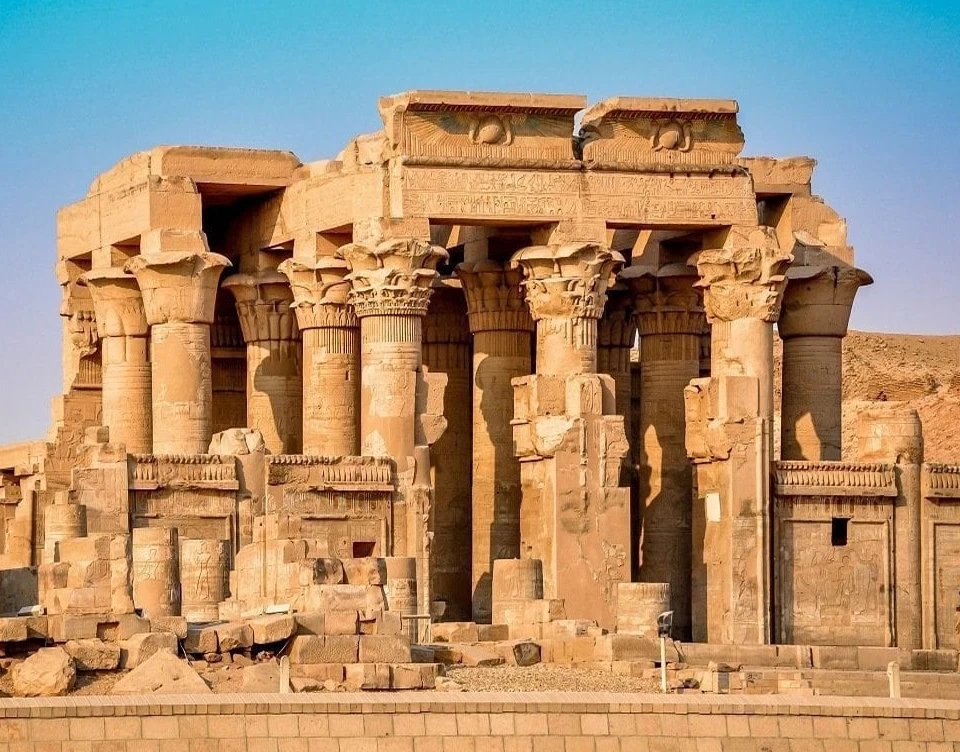
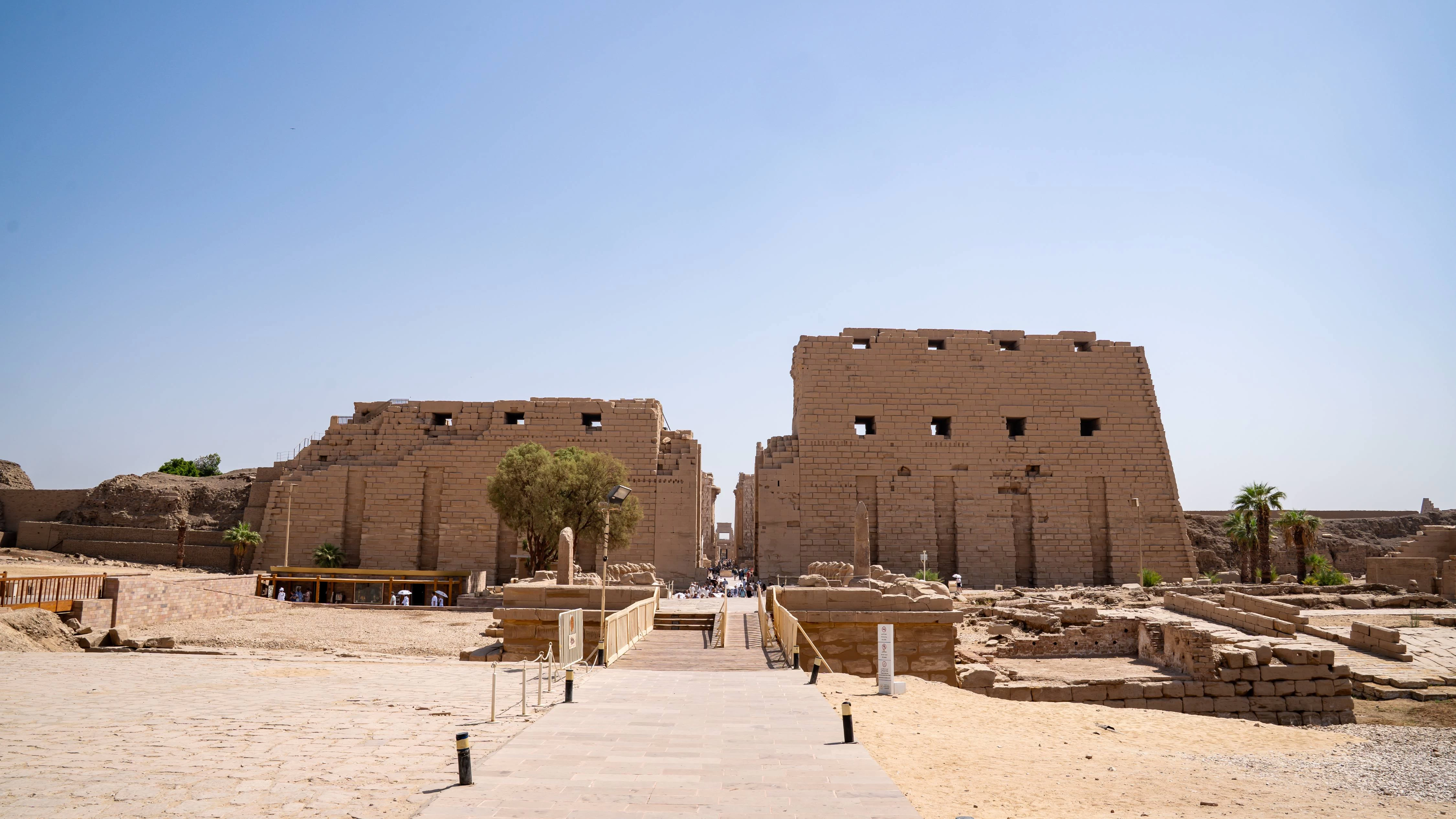
Karnak is the most impressive site in all of Egypt. Work on the site continued non-stop for over 2,400 years, as pharaohs expanded and added on throughout the Middle and New Kingdoms. It is the largest temple ever built, sprawling out on over 250 acres of land. Over 20 chapels are connected to each other within the temple complex. The oldest chapel (called the White Chapel) dates to the 12th Dynasty of the Middle Kingdom.

The ancient name of the temple is “Ibet-audit”, which means the "most selected place". The modern name of Karnak is borrowed from the nearby Arab village of El Karnak.

Karnak paid homage to the three main gods of the Theban Triad: Amun, his consort Mut, and their son Khonsu. The temple has a hall of Holies (or sanctuary), with door and window aligned so that the sun lights up the statue of Amun every year on the 22nd of December. Over 80,000 people were employed at Karnak, making it the biggest religious institution in ancient Egypt.

The temple has a remarkable hypostyle hall with 134 columns carved into the shape of the papyrus flower. There were more than 100 obelisks at the temple, though very few are still standing. One that remains is the obelisk of queen Hatshepsut, whose mortuary temple lies facing Karnak from the otherside of the Nile.

Visitors to Karnak Temple will need at least three hours to cover only the highlights of this magnificent site. The temple's hours run from 6:00am to 4:30pm daily; the best time to visit the temple is in early mornings, to beat the crowd as well as the mid-day heat. 
Karnak Temple

Related articles

Discover more tips, guides and insights to plan your perfect trip.

Things to do in Luxor
  • Apr 15, 2026

Kom Ombo Temple

A unique dual temple of the Greco-Roman era

Read more right_arrow
Things to do in Luxor
  • Apr 15, 2026

Luxor

The city of the gods - and the city of the dead

Read more right_arrow
Things to do in Luxor
  • Apr 15, 2026

Luxor Temple

City sights, ancient delights

Read more right_arrow
Things to do in Luxor
  • Apr 15, 2026

Medinet Habu

Mortuary temple of Ramesses III

Read more right_arrow
FAQ

Check our Frequently Asked Questions

Find quick answers to the most common questions about your trip. Our FAQ section covers everything from travel requirements and safety tips to local customs and currency information. Interested to know more? Contact Us

What's an Egyptologist Guide?

Licensed tour guides must maintain a certification from the Egyptian Ministry of Tourism and Antiquities, along with membership in the Egyptian General Tourist Guide Syndicate. These certifications ensure that our guides are fully approved and registered as professionals with the Egyptian government authorities.

When is the best time to visit Egypt?

The busiest tourist season is from September to April. The weather in Egypt is generally sunny and dry, with lower temperatures in the winter months that make for pleasant travel through Upper Egypt.

How much is expected in gratuities?

Tipping is greatly appreciated, based on the quality of the service you receive. We suggest around $5-$8 per day for your driver, and $10-$15 per day for guides. Tipping can be done in cash, either as Egyptian pounds, US dollars or Euros. For non-Egyptian currency, bills in good condition (no rips or tears) are preferred.

How do I get an Egypt entry visa?

You can get a 30-day tourist visa upon arriving at Cairo Airport. Please bring $25 in USD cash with you; you will get the visa documentation before the immigration desk at the airport, and the immigration officials will review and stamp your passport. Our staff will meet you after you disembark the plane to facilitate this process and ensure you are able to get through security smoothly.

How much walking will be involved in our tour?

Most tours can be walking-intensive, primarily on flat ground. Visiting the Pyramids and the Sphinx requires some walking over flat but uneven ground and sand. Entry into many of the tombs and Pyramids can be physically demanding, with low ceilings, steep staircases and narrow passageways.

How long will each day be?

Each day’s tour is a full day, estimating 8 to 10 hours - though we have built in plenty of time to rest, enjoy a coffee or a meal, or explore on your own. 


What should I wear?

Comfortable, closed-toe walking or athletic shoes are recommended as there may be areas with uneven pavement. Locals in Egypt often dress modestly, so visitors often feel more comfortable in clothes that cover their shoulders and knees (t-shirts or long sleeved shirts, capris, pants). You may wish to bring a hat for sun protection, as well as a scarf or light jacket for evening.


whatsapp-icon phone_call