Alexandria

Alexandria - the Bride of the Mediterranean - is located on the lush delta of Lower Egypt, where the Nile River meets the Mediterranean Sea. Alexandria was founded by Alexander the Great, and served as the capital for nearly 900 years. 

Alexandria flourished as a center of culture, knowledge, and trade during antiquity. It was famed for its remarkable Library of Alexandria, which held thousands of scrolls and papyrus that attracted the greatest minds of the era. One of the Seven Wonders of the Ancient World was the Pharos lighthouse, standing in the harbor in front of Alexandria. The Pharos was one of the world’s tallest man-made structures (excluding Pyramids) for over a millenium. 

Today, visitors to Alexandria can explore the Catacombs of Kom el Shoqafa, a burial site for Egyptian, Greek and Roman citizens during the age of the Roman Antonine dynasty, or Pompey’s Pillar, one of the largest columns carved from a single piece of granite. Tourists and scholars alike also make it a point to tour the modern Bibliotheca Alexandrina, which stands as a tribute to the ancient library and welcomes over a million visitors each year. 

Alexandria today also serves as the summer getaway of choice for Egyptians, thanks to its refreshing climate and beautiful Mediterranean beaches. It is also considered one of the food capitals of Egypt, especially for seafood - freshly caught from the Mediterranean, of course. 
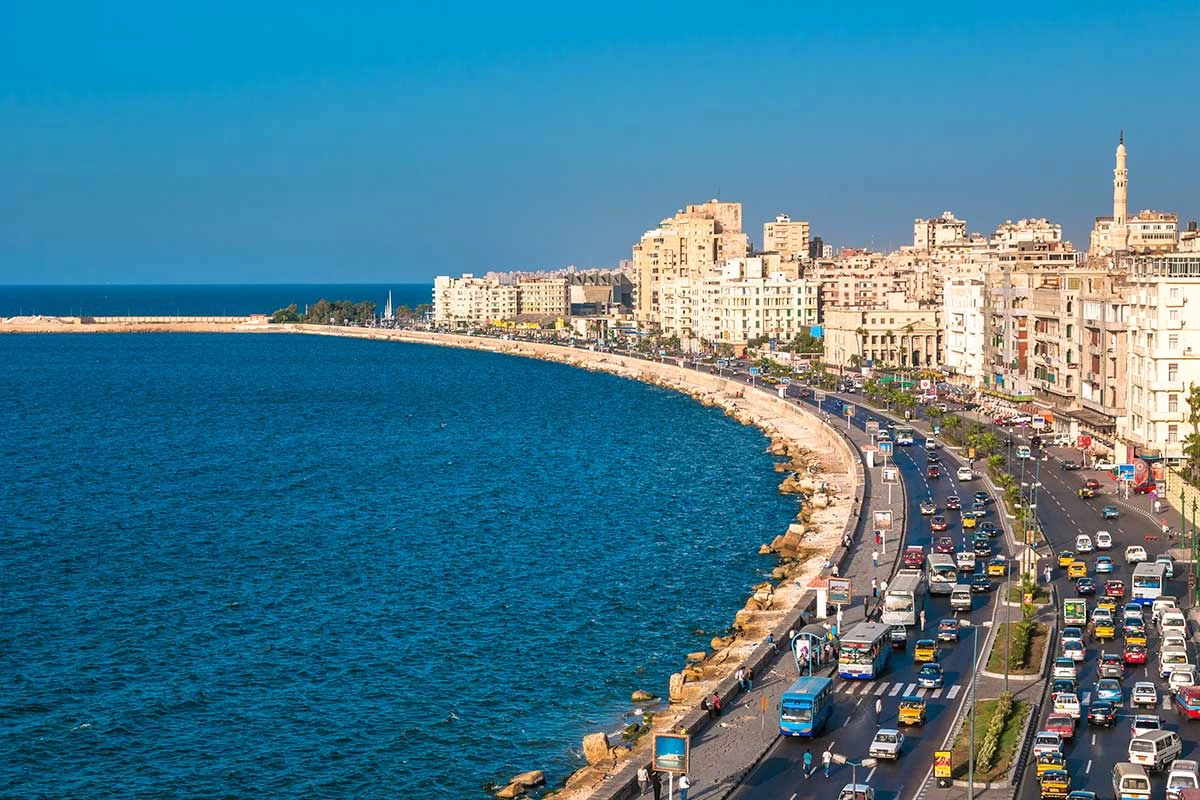
 

Alexandria

FAQ

Check our Frequently Asked Questions

Find quick answers to the most common questions about your trip. Our FAQ section covers everything from travel requirements and safety tips to local customs and currency information. Interested to know more? Contact Us

What's an Egyptologist Guide?

Licensed tour guides must maintain a certification from the Egyptian Ministry of Tourism and Antiquities, along with membership in the Egyptian General Tourist Guide Syndicate. These certifications ensure that our guides are fully approved and registered as professionals with the Egyptian government authorities.

When is the best time to visit Egypt?

The busiest tourist season is from September to April. The weather in Egypt is generally sunny and dry, with lower temperatures in the winter months that make for pleasant travel through Upper Egypt.

How much is expected in gratuities?

Tipping is greatly appreciated, based on the quality of the service you receive. We suggest around $5-$8 per day for your driver, and $10-$15 per day for guides. Tipping can be done in cash, either as Egyptian pounds, US dollars or Euros. For non-Egyptian currency, bills in good condition (no rips or tears) are preferred.

How do I get an Egypt entry visa?

You can get a 30-day tourist visa upon arriving at Cairo Airport. Please bring $25 in USD cash with you; you will get the visa documentation before the immigration desk at the airport, and the immigration officials will review and stamp your passport. Our staff will meet you after you disembark the plane to facilitate this process and ensure you are able to get through security smoothly.

How much walking will be involved in our tour?

Most tours can be walking-intensive, primarily on flat ground. Visiting the Pyramids and the Sphinx requires some walking over flat but uneven ground and sand. Entry into many of the tombs and Pyramids can be physically demanding, with low ceilings, steep staircases and narrow passageways.

How long will each day be?

Each day’s tour is a full day, estimating 8 to 10 hours - though we have built in plenty of time to rest, enjoy a coffee or a meal, or explore on your own. 


What should I wear?

Comfortable, closed-toe walking or athletic shoes are recommended as there may be areas with uneven pavement. Locals in Egypt often dress modestly, so visitors often feel more comfortable in clothes that cover their shoulders and knees (t-shirts or long sleeved shirts, capris, pants). You may wish to bring a hat for sun protection, as well as a scarf or light jacket for evening.


whatsapp-icon phone_call