 Cairo Day Tours
 Luxor Day Tours
 Alexandria Day Tours
 Luxury Travel Packages
 Classic Travel Packages
 Exclusive Access
 Leisure Holidays
 Adventure Travel
 Day Tours
 About us
 Blogs
Blogs
 Testimonial
 Why Travel With Us
.svg) Contact us
Contact us

The Tombs of the Nobles are located on the West Bank of Luxor within the Theban Necropolis in Luxor. This vast area contains hundreds of rock-cut tombs belonging to nobles, high officials, priests, scribes, and elite craftsmen from the New Kingdom and later periods.
Unlike royal tombs, these tombs focus on real daily life scenes, making them one of the most important sources for understanding ancient Egyptian society.
Importance of the Site
The Tombs of the Nobles are unique because they show life beyond the pharaohs. They provide detailed depictions of:
- Agriculture and irrigation systems
- Workshops (stone cutting, carpentry, sculpture, pottery)
- Food production (bread making, beer brewing, wine making)
- Textile production and weaving
- Trade and foreign tribute
- Administration and scribal work
- Social life and banquets
- Foreign cultures (Nubians, Asiatics, Libyans)
These scenes make the tombs an incredible “open book” of ancient Egyptian civilization.
Tomb Structure
Each tomb varies, but generally includes:
- A small entrance or courtyard
- A decorated chapel or hall
- A burial shaft leading underground chambers
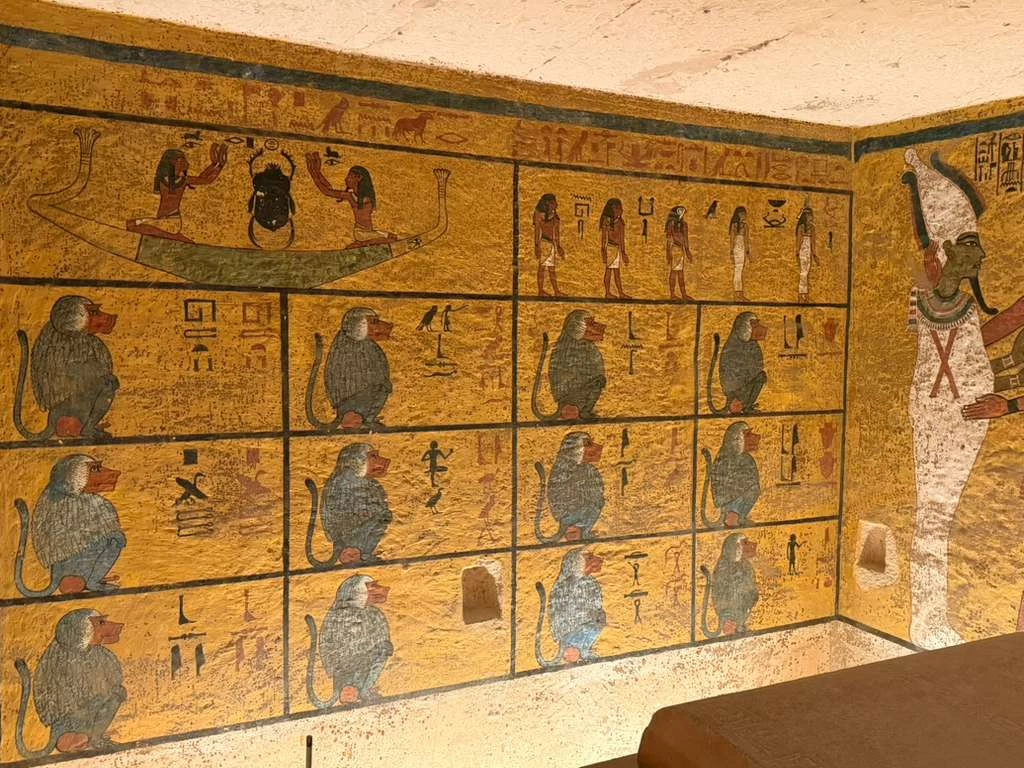
- Painted walls showing religious and daily life scenes
Some tombs also have small pyramid-shaped structures above the entrance.
Famous Tombs to Visit
If you only visit a few, these are the most important:
TT69 – Menna
Famous for agricultural scenes showing farming, harvesting, and daily rural life.
TT52 – Nakht
Known for vibrant colors showing fishing, bird hunting, music, and banquets.
TT96 – Sennefer
Called the “Vineyard Tomb,” famous for its unique ceiling decorated like a grapevine canopy.
TT100 – Rekhmire
Shows administration, taxation, crafts, and foreign tribute from neighboring lands.
TT55 – Ramose
Important for showing the artistic transition between traditional and Amarna art styles.
Visitor Information
Ticket Price
- Tombs are divided into groups (clusters)
- Each ticket covers a set of tombs
- Average price: 100–250 EGP per group (varies depending on site and updates)
- Usually includes access to 2–3 tombs per ticket
Opening Hours
- Daily: 6:00 AM – 5:00 PM
- Best time: early morning (6–9 AM)
Accessibility
- Not fully wheelchair accessible
- Uneven terrain and stairs in many tombs
- Some walking required between sites
Assistance or private guide recommended
FAQs
1. What are the best tombs to visit?
The top three recommended tombs are:
- TT69 (Menna)
- TT52 (Nakht)
- TT96 (Sennefer)
They offer the best combination of color, detail, and daily life scenes.
2. How many tombs can I visit in one trip?
Usually 2–4 tombs depending on the ticket type and walking time. Each cluster includes a limited number of accessible tombs.
3. Is photography allowed inside the tombs?
Yes with no flash
4. Are the Tombs of the Nobles worth visiting?
Yes. They are one of the best places in Egypt to understand daily life, professions, and social structure in ancient Egypt.
5. Can wheelchair users visit the site?
Access is limited. Some areas can be visited with assistance, but many tombs involve stairs and uneven paths.
6. What is the difference between nobles’ tombs and royal tombs?
- Royal tombs (Valley of the Kings): focus on kings and afterlife journey
- Nobles’ tombs: focus on daily life, work, and society
Article Summary:
Tombs of the Nobles (West Bank of Luxor)
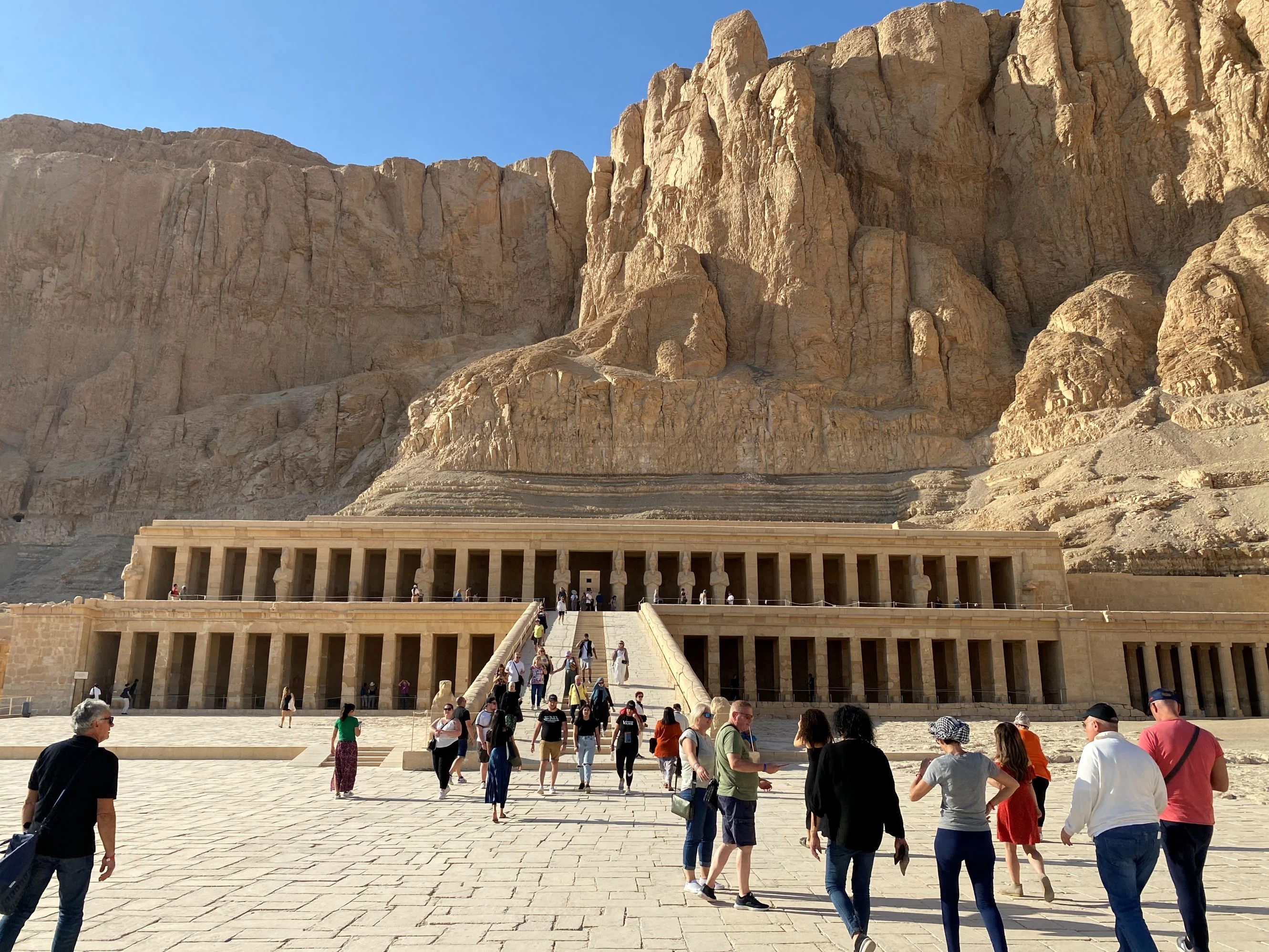
Related articles
Discover more tips, guides and insights to plan your perfect trip.

-webp.webp "Things to do in Luxor")
-webp.webp "Things to do in Luxor")
FAQ
Check our Frequently Asked Questions
Find quick answers to the most common questions about your trip. Our FAQ section covers everything from travel requirements and safety tips to local customs and currency information. Interested to know more? Contact Us!
What's an Egyptologist Guide?
Licensed tour guides must maintain a certification from the Egyptian Ministry of Tourism and Antiquities, along with membership in the Egyptian General Tourist Guide Syndicate. These certifications ensure that our guides are fully approved and registered as professionals with the Egyptian government authorities.
When is the best time to visit Egypt?
The busiest tourist season is from September to April. The weather in Egypt is generally sunny and dry, with lower temperatures in the winter months that make for pleasant travel through Upper Egypt.
How much is expected in gratuities?
Tipping is greatly appreciated, based on the quality of the service you receive. We suggest around $5-$8 per day for your driver, and $10-$15 per day for guides. Tipping can be done in cash, either as Egyptian pounds, US dollars or Euros. For non-Egyptian currency, bills in good condition (no rips or tears) are preferred.
How do I get an Egypt entry visa?
You can get a 30-day tourist visa upon arriving at Cairo Airport. Please bring $25 in USD cash with you; you will get the visa documentation before the immigration desk at the airport, and the immigration officials will review and stamp your passport. Our staff will meet you after you disembark the plane to facilitate this process and ensure you are able to get through security smoothly.
How much walking will be involved in our tour?
Most tours can be walking-intensive, primarily on flat ground. Visiting the Pyramids and the Sphinx requires some walking over flat but uneven ground and sand. Entry into many of the tombs and Pyramids can be physically demanding, with low ceilings, steep staircases and narrow passageways.
How long will each day be?
Each day’s tour is a full day, estimating 8 to 10 hours - though we have built in plenty of time to rest, enjoy a coffee or a meal, or explore on your own.
What should I wear?
Comfortable, closed-toe walking or athletic shoes are recommended as there may be areas with uneven pavement. Locals in Egypt often dress modestly, so visitors often feel more comfortable in clothes that cover their shoulders and knees (t-shirts or long sleeved shirts, capris, pants). You may wish to bring a hat for sun protection, as well as a scarf or light jacket for evening.


.svg)