
 Cairo Day Tours
 Luxor Day Tours
 Alexandria Day Tours
 Luxury Travel Packages
 Classic Travel Packages
 Exclusive Access
 Leisure Holidays
 Adventure Travel
 Day Tours
 About us
 Blogs
Blogs
 Testimonial
 Why Travel With Us
.svg) Contact us
Contact us
Pyramids of Giza
- Home...
- Cairo Attractions
- Pyramids of Giza
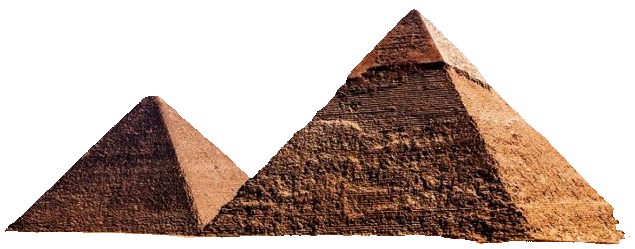
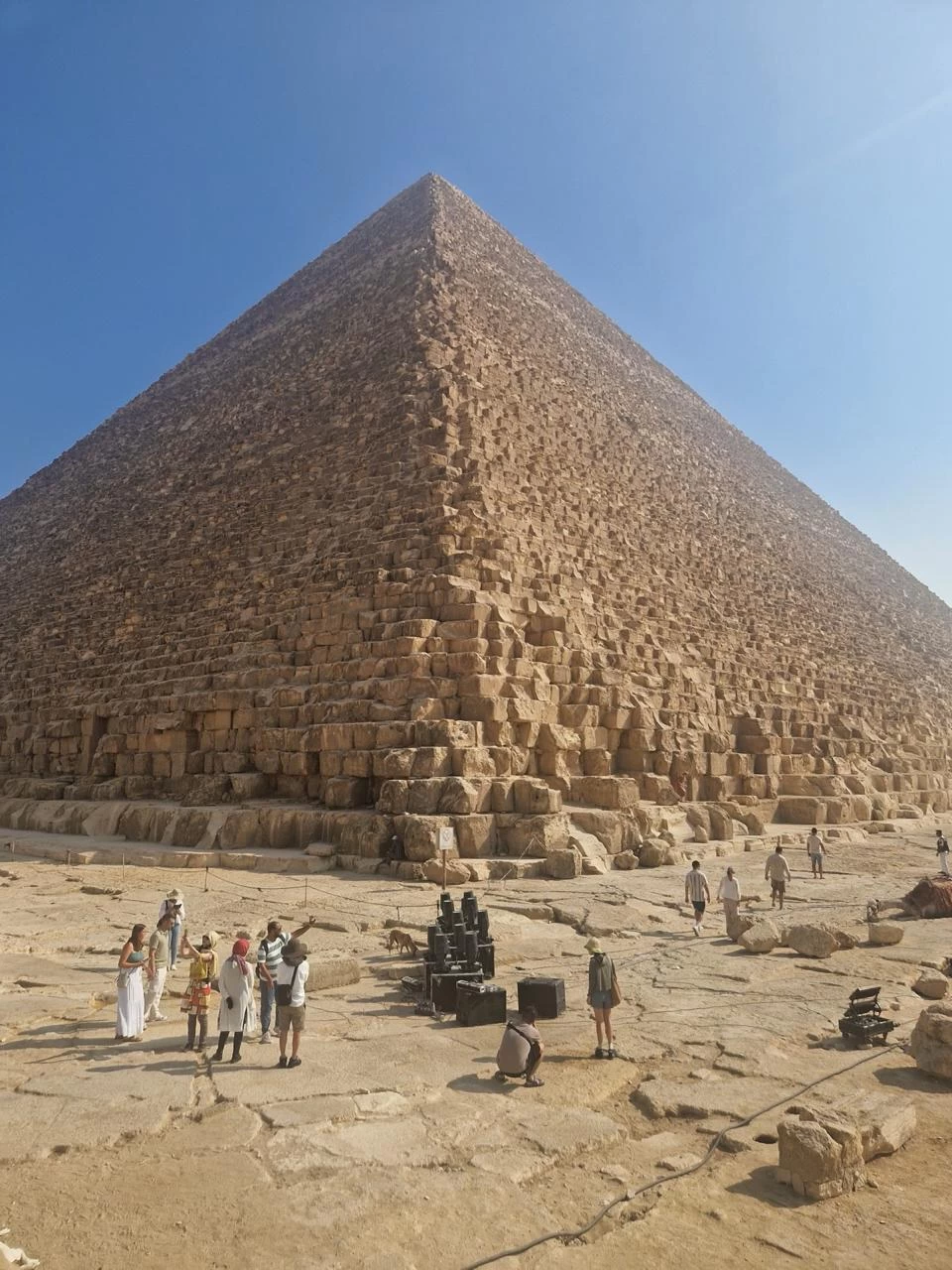
The Pyramids of Giza are the most iconic archaeological site in the world and the only surviving wonder of the ancient world — the Great Pyramid. They are considered the most important, most enigmatic, and most mysterious monuments on Earth.
The site includes:
This area was not only reserved for pharaohs but also included nobles and high officials. Nearby, the workers’ village was discovered in the modern era (excavations expanded significantly under Dr. Zahi Hawass), showing that thousands of workers lived and operated in organized communities.
Several important reasons explain why this location was chosen:
The area was already considered sacred in early religious texts, including references linked to the cult of Sokar
The first and largest pyramid was built for King Khufu:
In 1954, the famous solar boat (Khufu ship) was discovered beside the pyramid and is now displayed in the Grand Egyptian Museum.
Over time, much of the outer casing of all pyramids was removed and reused in later construction, especially from the medieval period onward.
Each pyramid was part of a complete funerary complex made of five main elements:
The Giza Plateau has revealed many important treasures, including:
It is the largest and only surviving wonder of the ancient world, built with unmatched precision and engineering skill.
Yes, visitors can enter the Great Pyramid and sometimes the Pyramid of Khafre or Menkaure with a separate ticket.
A full visit usually takes 3 to 5 hours, including the pyramids, Sphinx, and surrounding area.
Mainly internal corridors, chambers, and burial spaces. The pyramids are not filled with treasures as many people expect.
Early morning (before 9 AM) or late afternoon for better weather and fewer crowds.
Yes. A large workers’ settlement and cemetery has been discovered nearby, proving the pyramids were built by organized Egyptian labor teams, not slaves as once believed.
Discover more tips, guides and insights to plan your perfect trip.
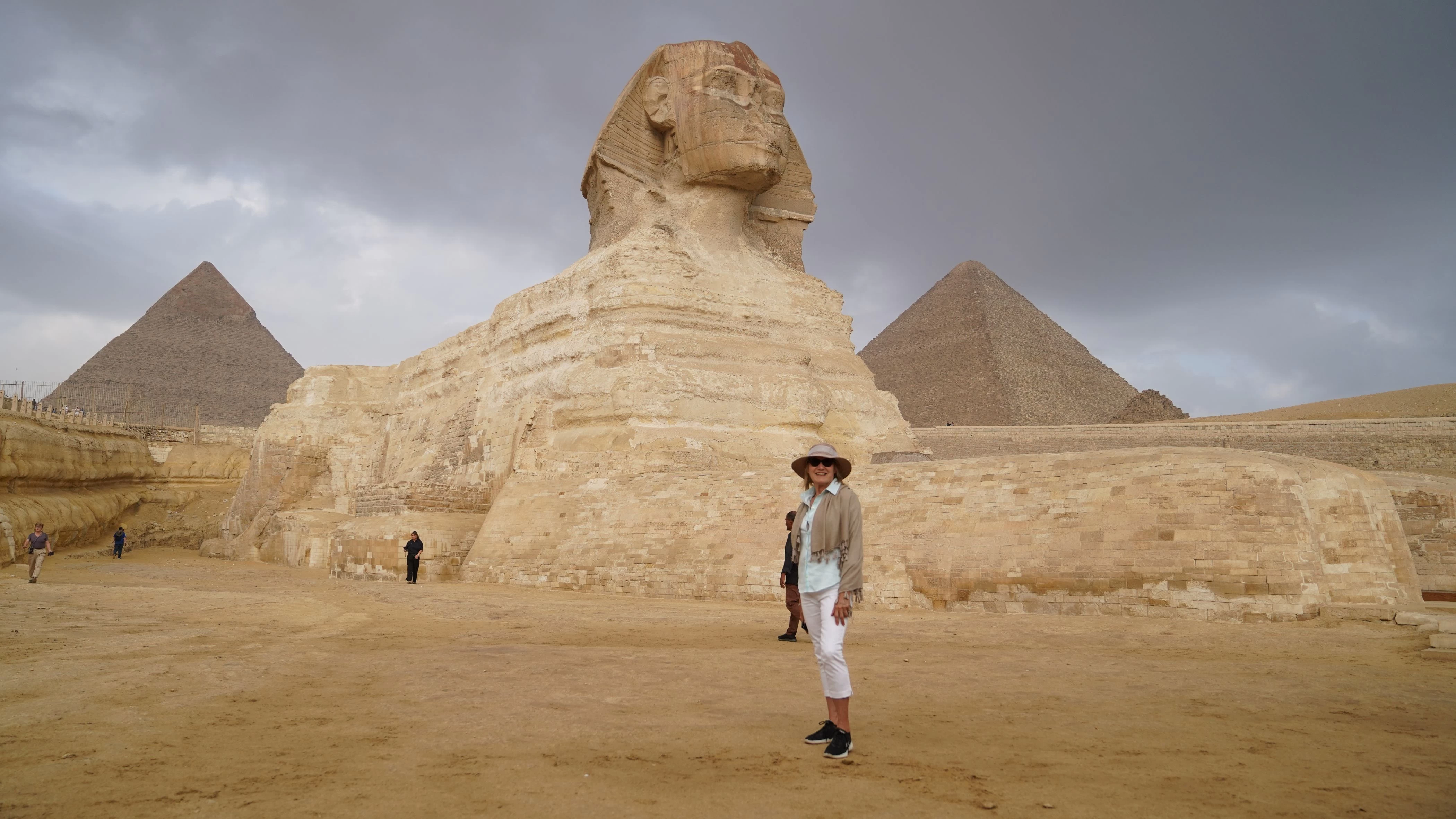
The Great Sphinx of Giza has stood watch over the Great Pyramids for thousands of years.
Read more
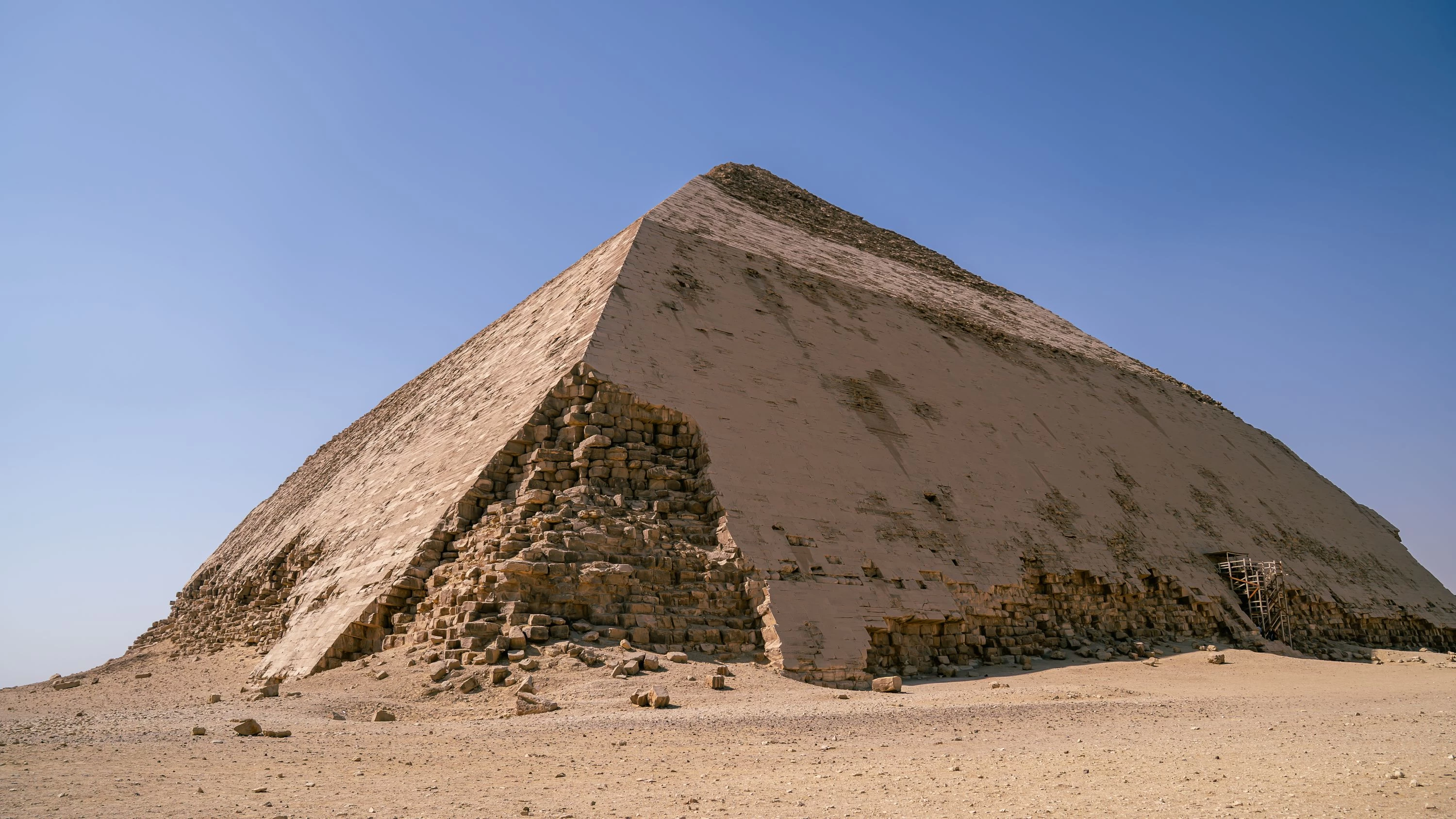
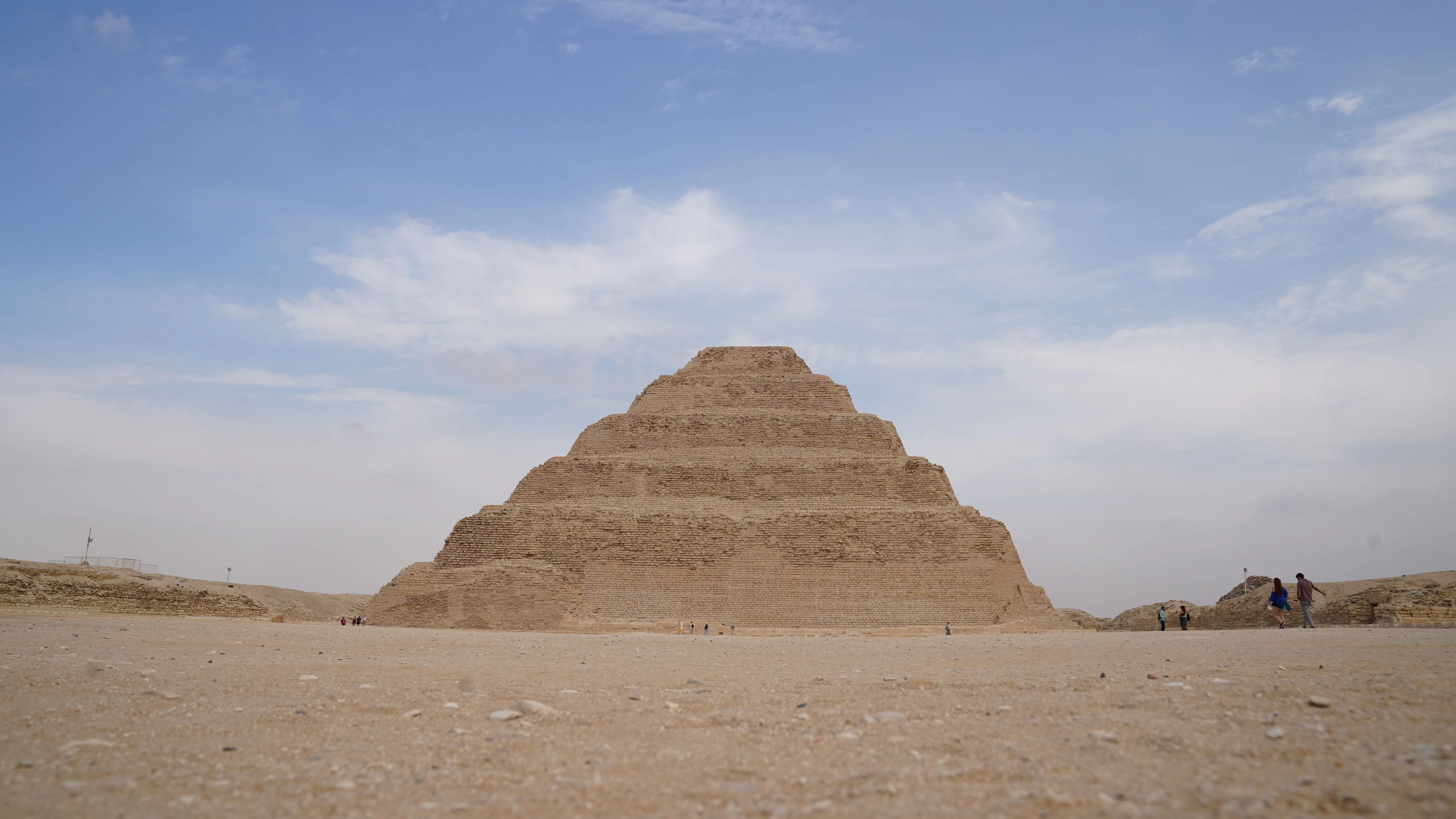
Dahshur is located south of the Giza Plateau and forms part of the ancient necropolis of Memphis.
Read more
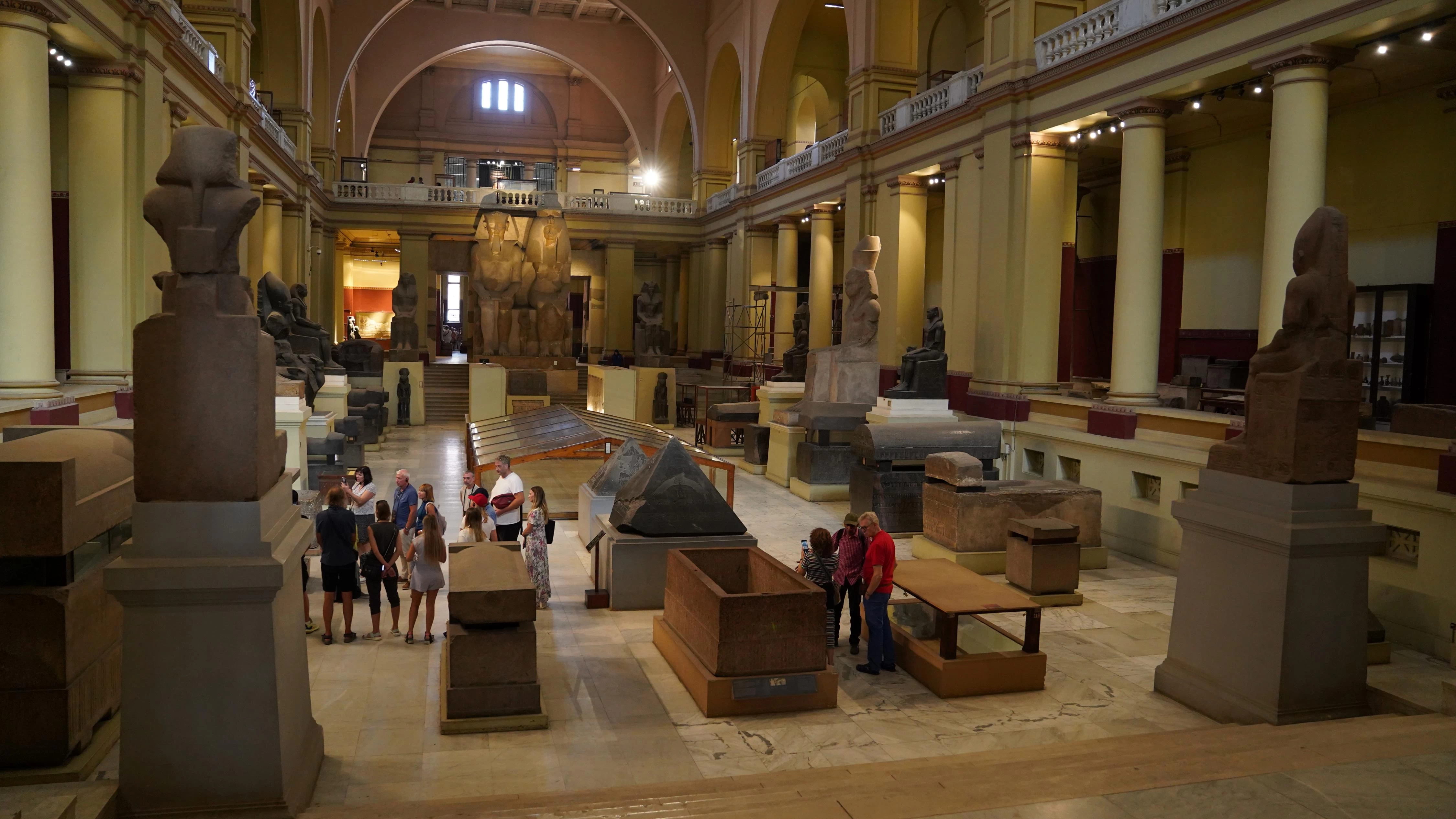
The first major archaeological museum in Egypt and the Middle East
Read more
Find quick answers to the most common questions about your trip. Our FAQ section covers everything from travel requirements and safety tips to local customs and currency information. Interested to know more? Contact Us!
Licensed tour guides must maintain a certification from the Egyptian Ministry of Tourism and Antiquities, along with membership in the Egyptian General Tourist Guide Syndicate. These certifications ensure that our guides are fully approved and registered as professionals with the Egyptian government authorities.
The busiest tourist season is from September to April. The weather in Egypt is generally sunny and dry, with lower temperatures in the winter months that make for pleasant travel through Upper Egypt.
Tipping is greatly appreciated, based on the quality of the service you receive. We suggest around $5-$8 per day for your driver, and $10-$15 per day for guides. Tipping can be done in cash, either as Egyptian pounds, US dollars or Euros. For non-Egyptian currency, bills in good condition (no rips or tears) are preferred.
You can get a 30-day tourist visa upon arriving at Cairo Airport. Please bring $25 in USD cash with you; you will get the visa documentation before the immigration desk at the airport, and the immigration officials will review and stamp your passport. Our staff will meet you after you disembark the plane to facilitate this process and ensure you are able to get through security smoothly.
Most tours can be walking-intensive, primarily on flat ground. Visiting the Pyramids and the Sphinx requires some walking over flat but uneven ground and sand. Entry into many of the tombs and Pyramids can be physically demanding, with low ceilings, steep staircases and narrow passageways.
Each day’s tour is a full day, estimating 8 to 10 hours - though we have built in plenty of time to rest, enjoy a coffee or a meal, or explore on your own.
Comfortable, closed-toe walking or athletic shoes are recommended as there may be areas with uneven pavement. Locals in Egypt often dress modestly, so visitors often feel more comfortable in clothes that cover their shoulders and knees (t-shirts or long sleeved shirts, capris, pants). You may wish to bring a hat for sun protection, as well as a scarf or light jacket for evening.




.svg)