 Cairo Day Tours
 Luxor Day Tours
 Alexandria Day Tours
 Luxury Travel Packages
 Classic Travel Packages
 Exclusive Access
 Leisure Holidays
 Adventure Travel
 Day Tours
 About us
 Blogs
Blogs
 Testimonial
 Why Travel With Us
.svg) Contact us
Contact us
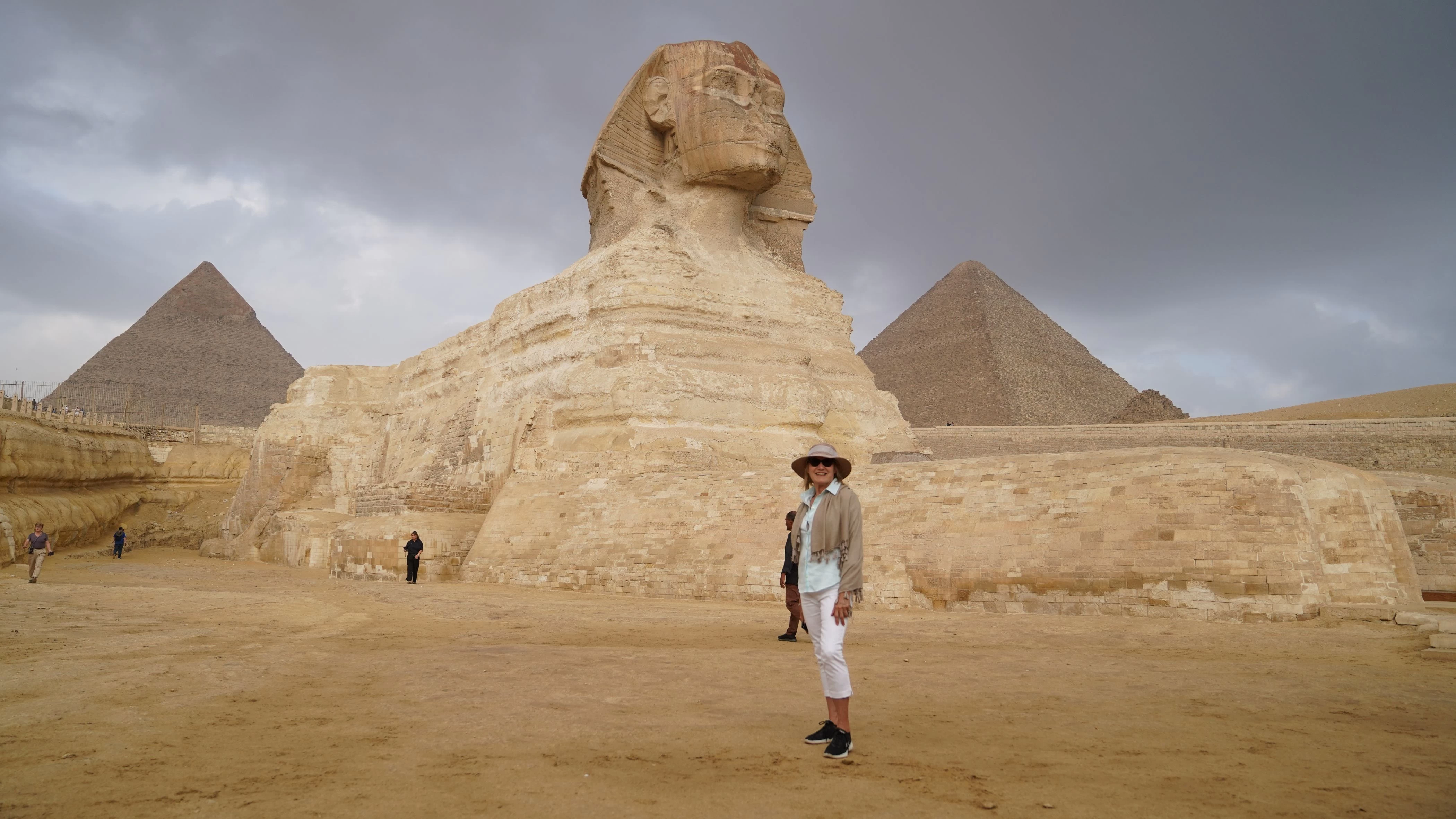
The Great Sphinx of Giza is one of the most iconic monuments in ancient Egypt. It is carved directly from a single limestone bedrock formation.
It is believed to have been created during the reign of Pharaoh Khafre, who also built the second pyramid at Giza, and continues to stand as a timeless guardian of Giza Plateau.
Material and Construction
The Sphinx was carved from natural limestone rock, but not from the highest-quality layer. Instead, it was cut from a softer, lower-quality geological formation, which is why it has suffered significant erosion over time.
Key facts:
- Made from a single massive limestone block
- Carved directly from the bedrock (not built from blocks)
- Originally had added masonry repairs in later periods
Purpose of the Sphinx
The Sphinx was designed as a guardian statue of the Giza Plateau, protecting the pyramid complex.
Its symbolic meaning combines:
- Human face (pharaoh) → intelligence, wisdom, divine kingship
- Lion’s body → strength, power, protection
Together, it represents the perfect balance of mind and strength, protecting sacred royal monuments.
Appearance and Original Decoration
Originally, the Sphinx was much more visually complete than it is today:
- The face was likely painted
- The body may have been partially covered or smoothed with fine limestone plaster
- Colors and details have mostly disappeared due to erosion and time
- The nose is missing, likely damaged in later historical periods
Name and Meaning
The name “Sphinx” comes from the Greek period long after its construction.
The Greeks named it “Sphinx”, inspired by their own mythological creature with a lion’s body and human head.
However, its original ancient Egyptian name is believed to be:
“Hor-em-akhet”
Meaning: “Horus in the Horizon”
This connects the monument to the sun god and the idea of the king as a divine protector.
Historical Significance
The Great Sphinx is not just a statue—it is:
- A royal guardian of the pyramid complex
- A symbol of divine kingship
- One of the oldest monumental sculptures in the world
It remains one of the most mysterious and studied monuments in Egyptology.
Article Summary:
The Great Sphinx of Giza
Related articles
Discover more tips, guides and insights to plan your perfect trip.
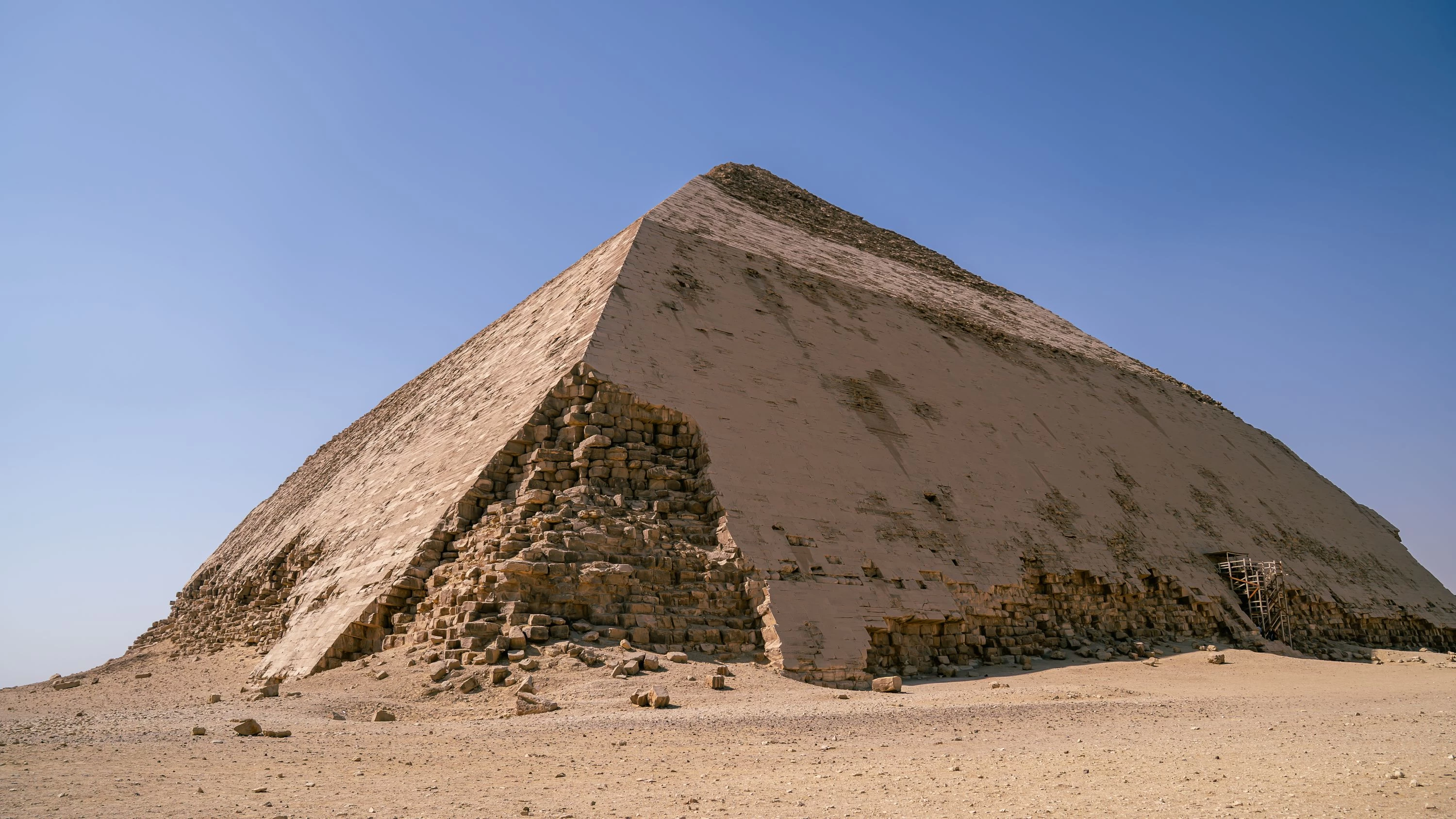
Dahshur – The Experimental Pyramid Field
Dahshur is located south of the Giza Plateau and forms part of the ancient necropolis of Memphis.
Read more
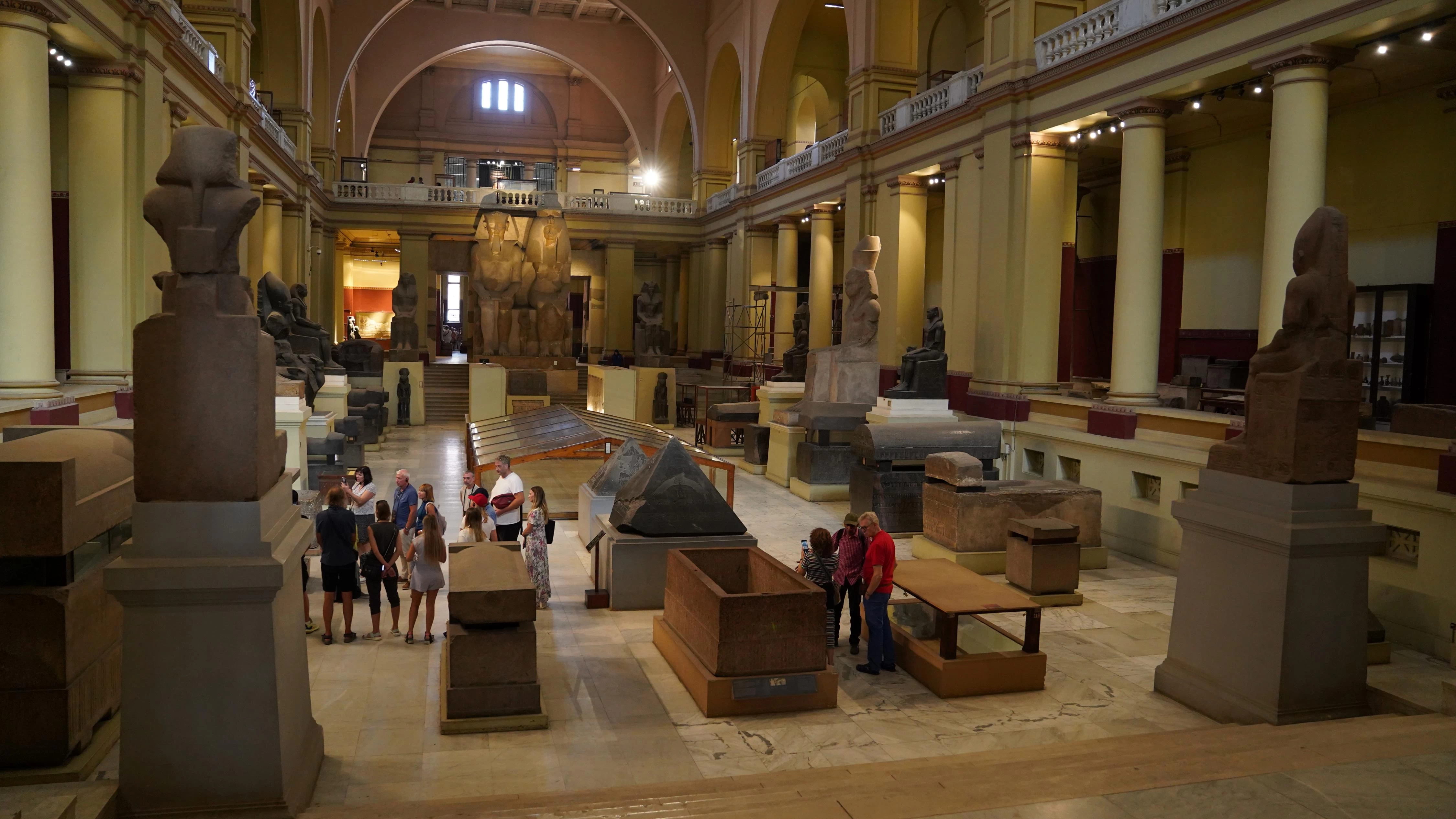
Egyptian Museum (Tahrir)
The first major archaeological museum in Egypt and the Middle East
Read more
FAQ
Check our Frequently Asked Questions
Find quick answers to the most common questions about your trip. Our FAQ section covers everything from travel requirements and safety tips to local customs and currency information. Interested to know more? Contact Us!
What's an Egyptologist Guide?
Licensed tour guides must maintain a certification from the Egyptian Ministry of Tourism and Antiquities, along with membership in the Egyptian General Tourist Guide Syndicate. These certifications ensure that our guides are fully approved and registered as professionals with the Egyptian government authorities.
When is the best time to visit Egypt?
The busiest tourist season is from September to April. The weather in Egypt is generally sunny and dry, with lower temperatures in the winter months that make for pleasant travel through Upper Egypt.
How much is expected in gratuities?
Tipping is greatly appreciated, based on the quality of the service you receive. We suggest around $5-$8 per day for your driver, and $10-$15 per day for guides. Tipping can be done in cash, either as Egyptian pounds, US dollars or Euros. For non-Egyptian currency, bills in good condition (no rips or tears) are preferred.
How do I get an Egypt entry visa?
You can get a 30-day tourist visa upon arriving at Cairo Airport. Please bring $25 in USD cash with you; you will get the visa documentation before the immigration desk at the airport, and the immigration officials will review and stamp your passport. Our staff will meet you after you disembark the plane to facilitate this process and ensure you are able to get through security smoothly.
How much walking will be involved in our tour?
Most tours can be walking-intensive, primarily on flat ground. Visiting the Pyramids and the Sphinx requires some walking over flat but uneven ground and sand. Entry into many of the tombs and Pyramids can be physically demanding, with low ceilings, steep staircases and narrow passageways.
How long will each day be?
Each day’s tour is a full day, estimating 8 to 10 hours - though we have built in plenty of time to rest, enjoy a coffee or a meal, or explore on your own.
What should I wear?
Comfortable, closed-toe walking or athletic shoes are recommended as there may be areas with uneven pavement. Locals in Egypt often dress modestly, so visitors often feel more comfortable in clothes that cover their shoulders and knees (t-shirts or long sleeved shirts, capris, pants). You may wish to bring a hat for sun protection, as well as a scarf or light jacket for evening.


.svg)