
 Cairo Day Tours
 Luxor Day Tours
 Alexandria Day Tours
 Luxury Travel Packages
 Classic Travel Packages
 Exclusive Access
 Leisure Holidays
 Adventure Travel
 Day Tours
 About us
 Blogs
Blogs
 Testimonial
 Why Travel With Us
.svg) Contact us
Contact us
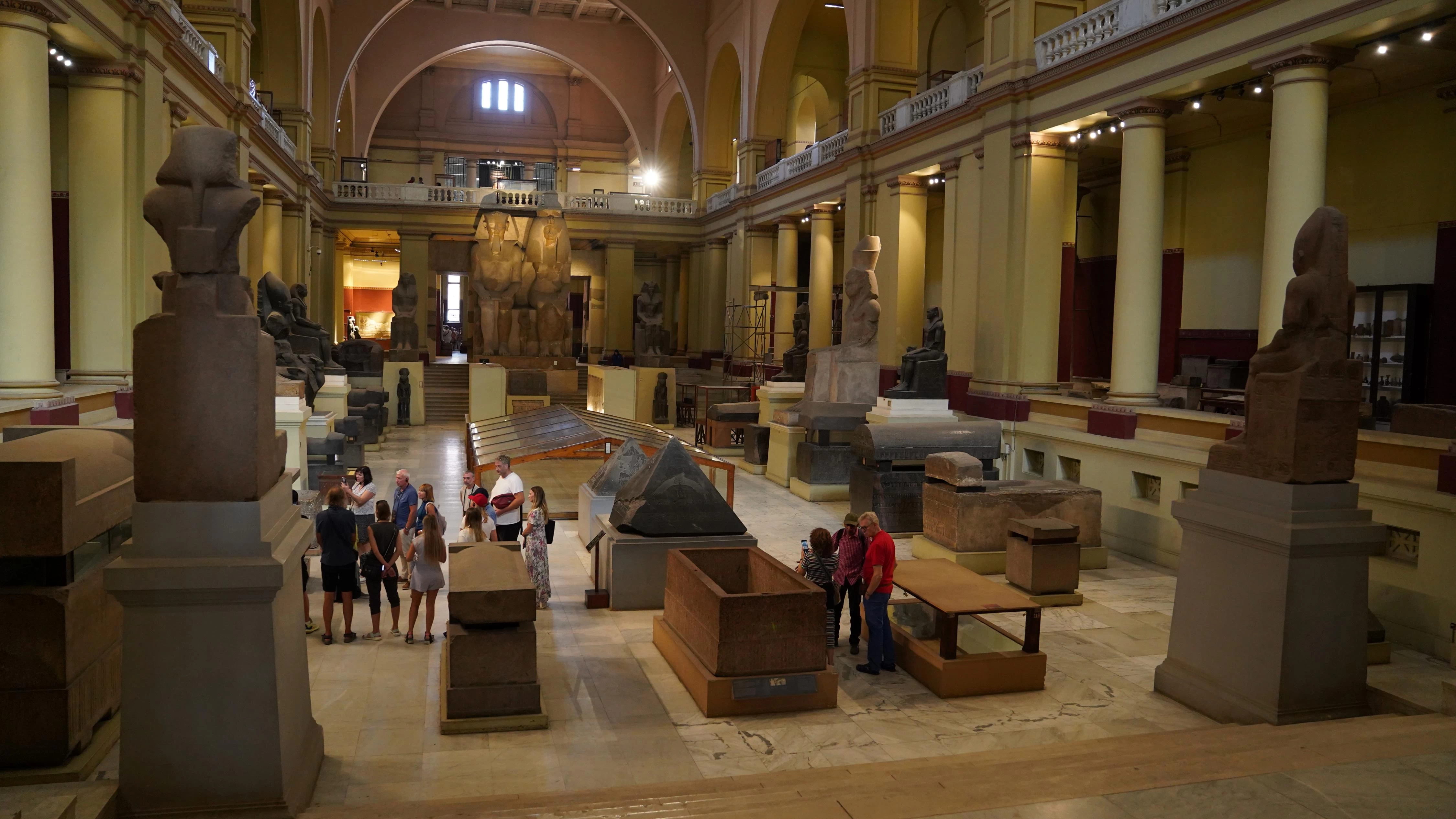
The Egyptian Museum in Tahrir Square (Egyptian Museum) was opened in 1901 and is considered the first major archaeological museum in Egypt and the Middle East. It was designed by French architect Marcel Dourgnon, with support from Egyptian and Italian experts.
Located in downtown Cairo at Cairo, the museum was for more than a century the main home of Egypt’s ancient treasures before many of the royal collections were moved to the Grand Egyptian Museum.
At its peak, it held over 100,000 artifacts, making it one of the richest archaeological collections in the world.
Museum Structure
The museum consists of:
- Ground floor
- First floor
- Basement storage and conservation areas
Its design follows a classic early 20th-century museum style, focusing on dense historical display rather than modern immersive presentation.
Most Important Highlights (Ground Floor)
The ground floor is dedicated mainly to Old Kingdom masterpieces, including some of the most iconic statues in Egyptian history:
Key artifacts:
- Narmer Palette – one of the earliest historical records of ancient Egypt
- Statue of King Djoser
- Rare surviving statue attributed to King Khufu (Great Pyramid builder)
- Seated statue of King Khafre
- Statue group of King Menkaure with goddess figures
- Famous Ka statues (spiritual double statues)
- Scribe statues showing elite education and administration
- Statue of Rahotep and Nofret – one of the most famous Old Kingdom noble couples
These works represent the foundation of Egyptian art, kingship, and belief systems.
First Floor Highlights
The upper floor focuses on later periods and funerary treasures:
Major collections include:
- Tomb treasures of **Yuya and **Thuya
- Exceptionally well-preserved burial goods
- Furniture, coffins, jewelry, and chariots
- Rare silver artifacts from elite burials (including unique metalwork items considered extremely rare in ancient Egypt)
- Funerary objects showing daily life, religion, and royal traditions
Other Important Features
- Over 5,000 years of Egyptian history displayed
- Massive collection of statues, papyri, coffins, and jewelry
- One of the best places to understand the evolution of Egyptian civilization in one building
Visitor Information
- 📍 Location: Tahrir Square, downtown Cairo
- 🕘 Opening hours: 9:00 AM – 5:00 PM
- 🎟️ Ticket price: approximately 550 EGP (subject to change)
Why You Should Visit
- One of the most important museums in the world for ancient history
- Contains original masterpieces from Old Kingdom to Greco-Roman Egypt
- Perfect for understanding the roots of Egyptian civilization before visiting modern museums
Summary
The Egyptian Museum in Tahrir remains a timeless cultural landmark. Even after many treasures moved to the Grand Egyptian Museum, it still holds some of the most important and foundational artifacts in Egyptian history .
Article Summary:
Egyptian Museum (Tahrir)
Related articles
Discover more tips, guides and insights to plan your perfect trip.
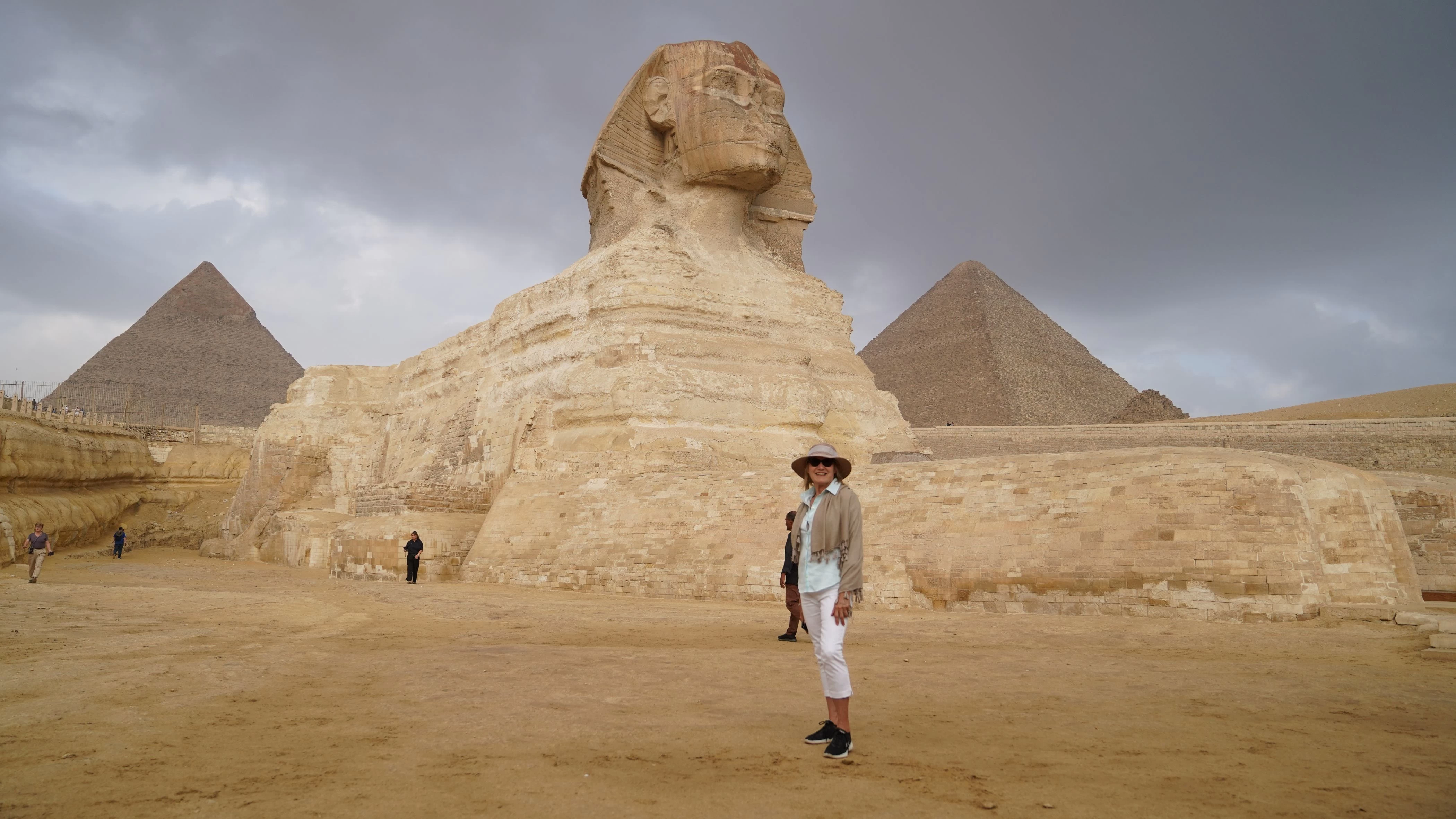
The Great Sphinx of Giza
The Great Sphinx of Giza has stood watch over the Great Pyramids for thousands of years.
Read more
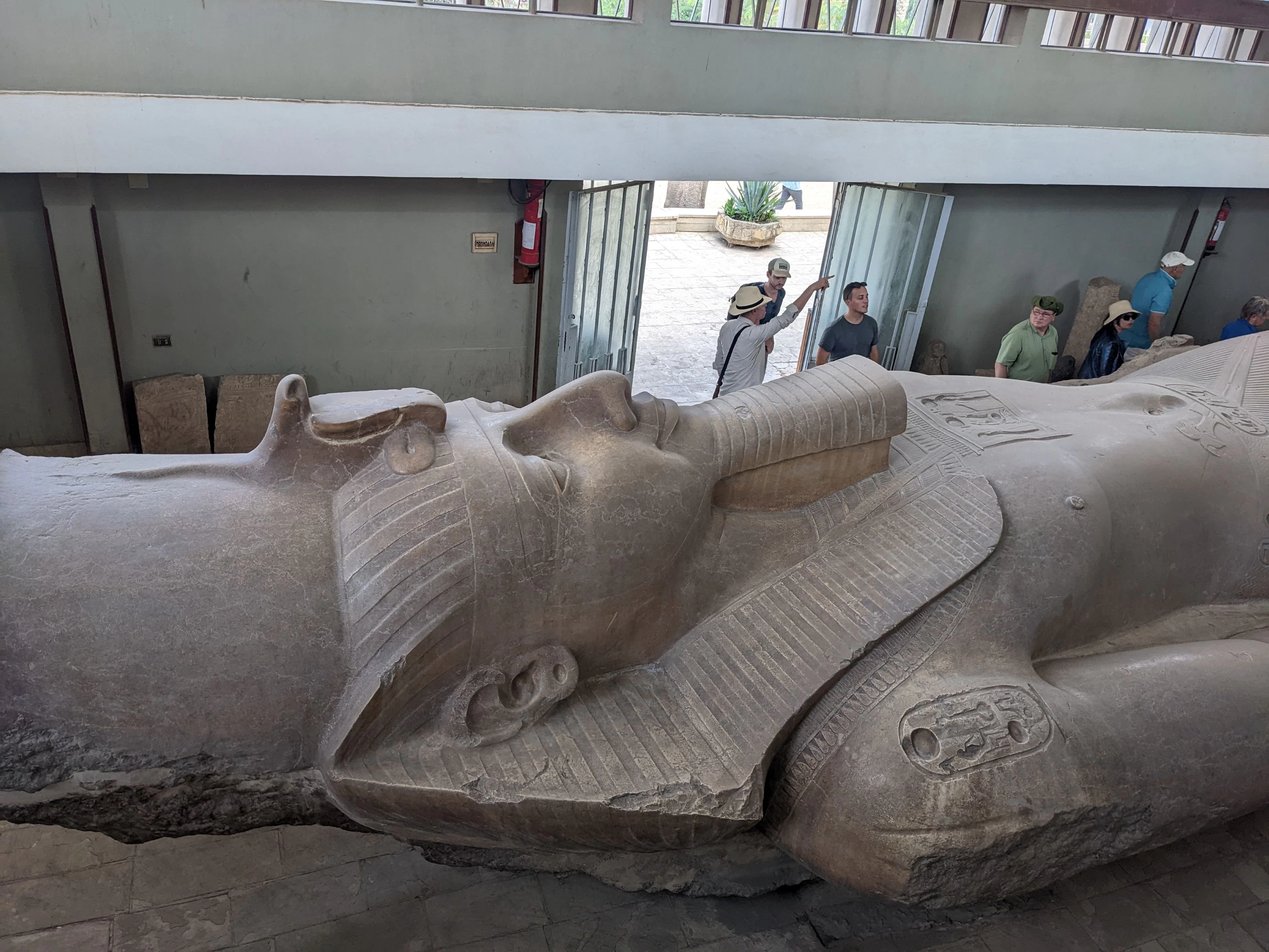
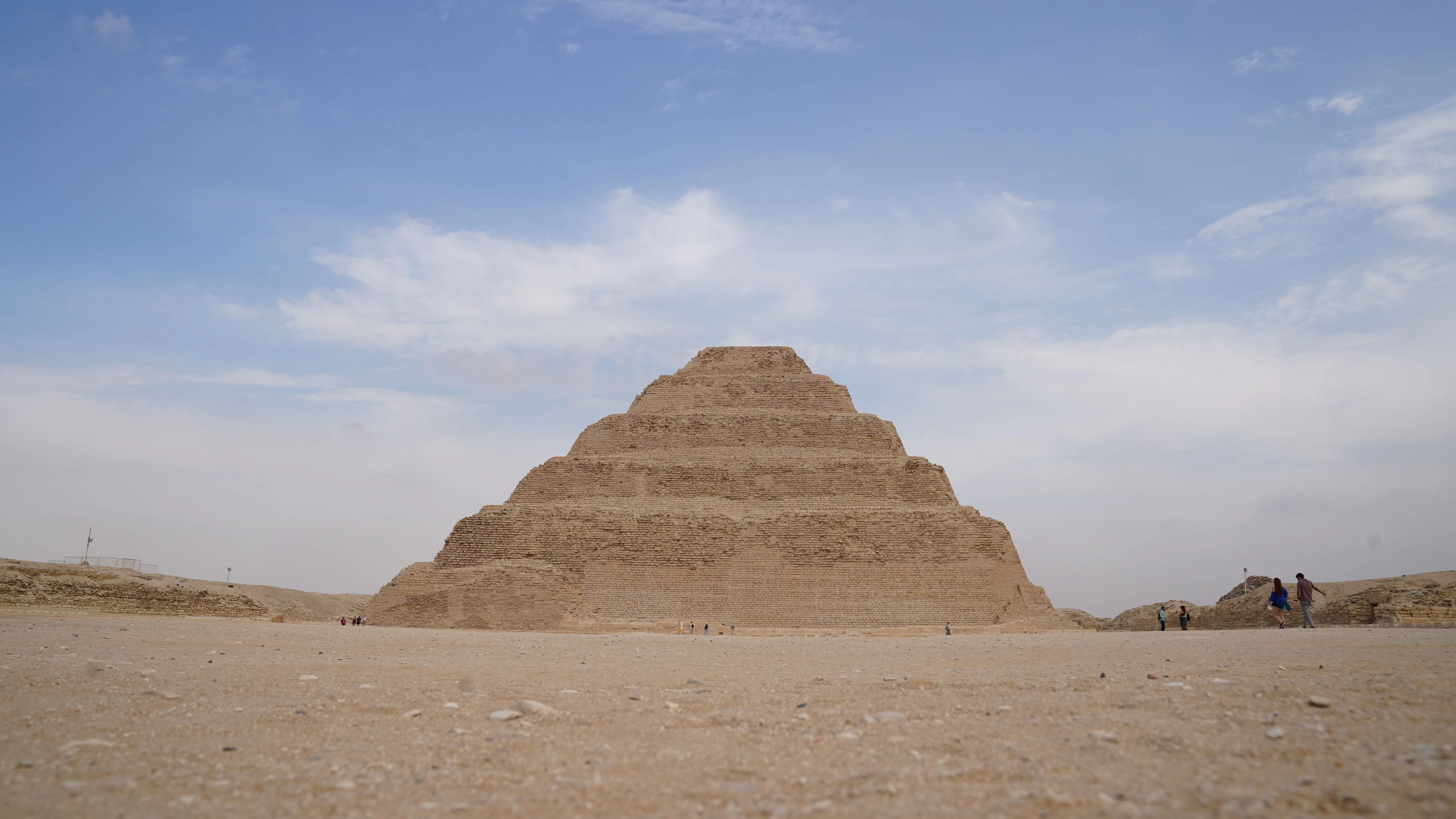
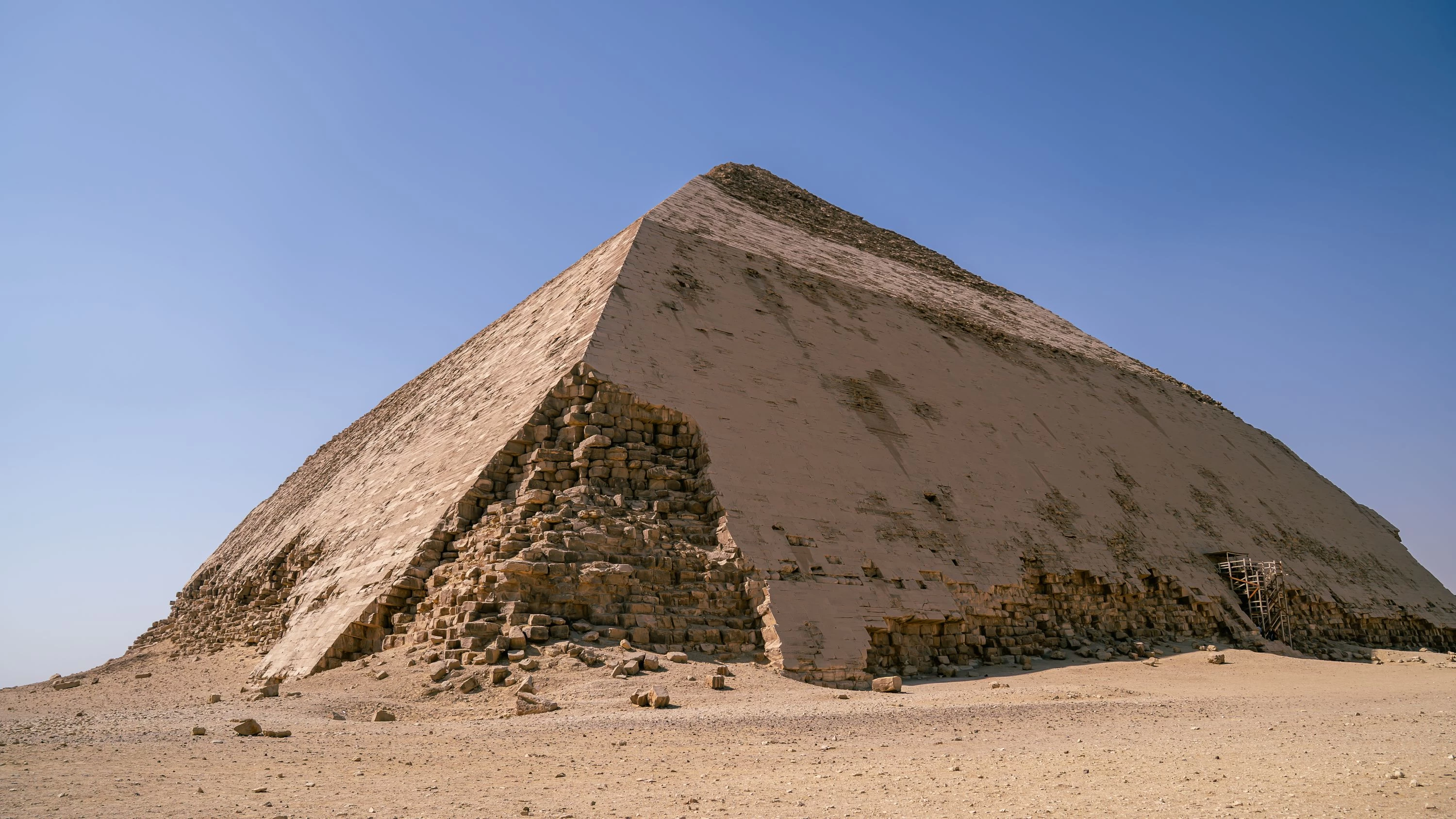
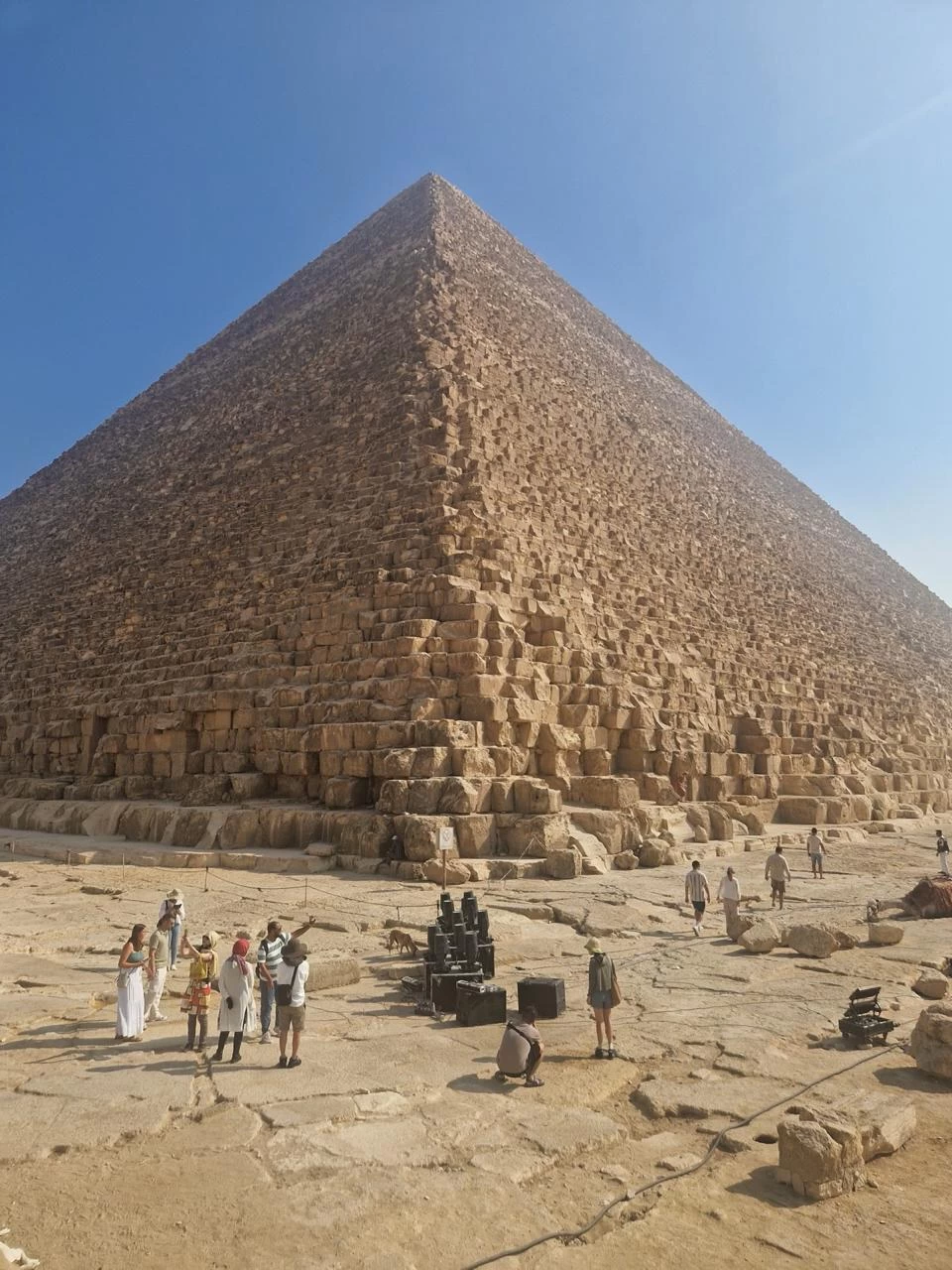
Dahshur – The Experimental Pyramid Field
Dahshur is located south of the Giza Plateau and forms part of the ancient necropolis of Memphis.
Read more
FAQ
Check our Frequently Asked Questions
Find quick answers to the most common questions about your trip. Our FAQ section covers everything from travel requirements and safety tips to local customs and currency information. Interested to know more? Contact Us!
What's an Egyptologist Guide?
Licensed tour guides must maintain a certification from the Egyptian Ministry of Tourism and Antiquities, along with membership in the Egyptian General Tourist Guide Syndicate. These certifications ensure that our guides are fully approved and registered as professionals with the Egyptian government authorities.
When is the best time to visit Egypt?
The busiest tourist season is from September to April. The weather in Egypt is generally sunny and dry, with lower temperatures in the winter months that make for pleasant travel through Upper Egypt.
How much is expected in gratuities?
Tipping is greatly appreciated, based on the quality of the service you receive. We suggest around $5-$8 per day for your driver, and $10-$15 per day for guides. Tipping can be done in cash, either as Egyptian pounds, US dollars or Euros. For non-Egyptian currency, bills in good condition (no rips or tears) are preferred.
How do I get an Egypt entry visa?
You can get a 30-day tourist visa upon arriving at Cairo Airport. Please bring $25 in USD cash with you; you will get the visa documentation before the immigration desk at the airport, and the immigration officials will review and stamp your passport. Our staff will meet you after you disembark the plane to facilitate this process and ensure you are able to get through security smoothly.
How much walking will be involved in our tour?
Most tours can be walking-intensive, primarily on flat ground. Visiting the Pyramids and the Sphinx requires some walking over flat but uneven ground and sand. Entry into many of the tombs and Pyramids can be physically demanding, with low ceilings, steep staircases and narrow passageways.
How long will each day be?
Each day’s tour is a full day, estimating 8 to 10 hours - though we have built in plenty of time to rest, enjoy a coffee or a meal, or explore on your own.
What should I wear?
Comfortable, closed-toe walking or athletic shoes are recommended as there may be areas with uneven pavement. Locals in Egypt often dress modestly, so visitors often feel more comfortable in clothes that cover their shoulders and knees (t-shirts or long sleeved shirts, capris, pants). You may wish to bring a hat for sun protection, as well as a scarf or light jacket for evening.


.svg)